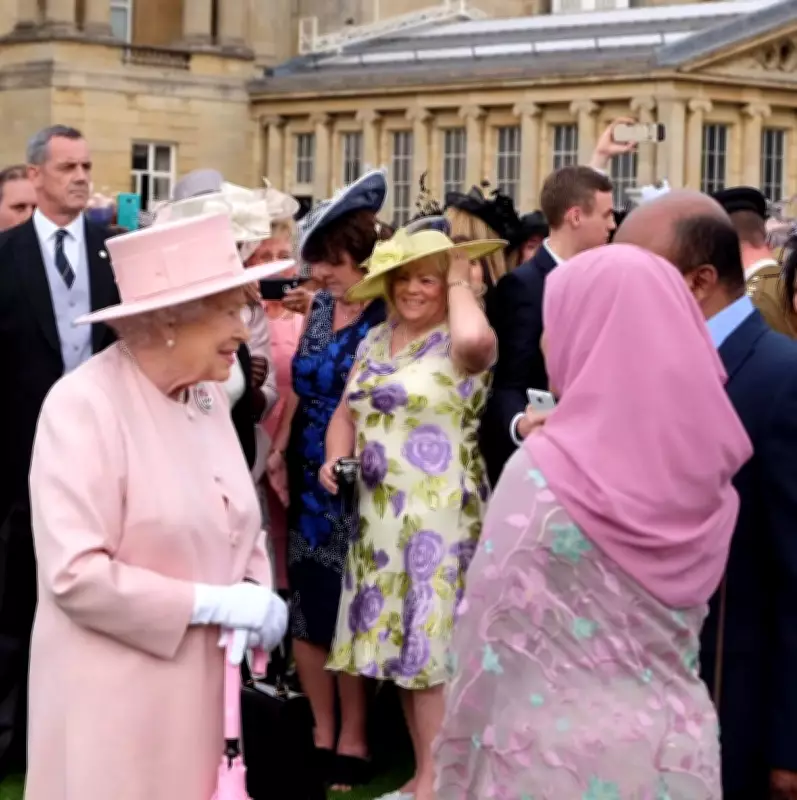
As one strolls across the expansive lawns of Buckingham Palace during the warm summer months, thousands of guests from across public and community life gather each year for a garden party that highlights a gentle side of royal hospitality. This annual tradition offers a unique space where the monarchy's traditions directly connect with the civic service performed by individuals. While international media often focuses on crowns, state dinners, and important summits, these afternoons unfold in a less formal setting than state occasions.
An Evolving Tradition of Public Engagement
The continuity of these summer events provides an intriguing method of engaging the public with the present-day monarchy. Evolving from the nineteenth-century formality of royal court presentation parties, the current format shifts emphasis from the elite classes to local grassroots workers. Instead of serving merely as a backdrop for aristocratic connections, this modern platform highlights people who have contributed positively to their immediate communities. In its effort to open the palace doors to all segments of society, the monarchy has developed a popular tradition of public engagement that emphasises community service over hereditary status.
Transforming Community Service into National Recognition
The true significance of these events lies in the selection process, which seeks to showcase community-based, yet often unnoticed, civic service. As reported in Behind the Scenes at a Garden Party, an article on the Royal Family website, the palace organises several gatherings each summer where citizens involved in public service, volunteering, and charitable activities are acknowledged. Official records reveal that through a complex logistics operation in the kitchen and regional connections, the palace serves thousands of guests at each event.

It is quite evident that this structure of paying tribute to local efforts ties closely with the evolution of royal reception processes over time. In the historical retrospective featured in Vogue, titled The Historic Evolution of the Royal Family’s Grand Garden Parties, it was revealed that these grand outdoor parties were, in fact, a replacement for the rather restrictive court presentation ceremony. The tradition has evolved to suit a modern democratic era.
Indeed, by allowing local volunteers into the private grounds of the palace, the institution validates the vital efforts of community members. Queen Elizabeth II, who passed away in 2022, took advantage of such informal settings to talk directly to her guests about their charity work in their region. This illustrates vividly the notion that the core mission of the reception is to give public recognition to those for whom such recognition validates their community contribution. This tradition fosters national identity by validating civic contributions and offering a unique, informal connection between the public and the monarchy, highlighting kindness and hospitality.
Building a Sense of Belonging
The long-term value of the garden party event comes from its ability to build a sense of common national identity for people, regardless of their social standing. As stated on the official Royal Family website page titled Garden Parties, invitations are sent out via regional authorities, charities, and government departments. Thus, the list of guests who attend is always carefully selected to reflect a genuine cross-section of society.
Such an institutional context helps explain why being invited to a royal garden party remains deeply personally significant for its recipients. Through the ceremony of hosting regional volunteers as if they were important international delegations, the occasion raises routine civic duties to the level of national honour. The afternoon structure enables participants to engage in informal conversation with members of the royal family while discussing their civic lives with other civic workers from completely different regions.

This demonstrates that tradition-based organisations can remain relevant in the modern world by reconciling the symbolic nature of the institution with contemporary civic values. By remaining humble and keeping the conversation flowing rather than creating a show for the media, the event retains its human element. The trust fostered at these seasonal gatherings shows how small acts of kindness and hospitality can transform personal charity into civic virtue, thereby grounding the visual symbolism of the monarchy in concrete action.