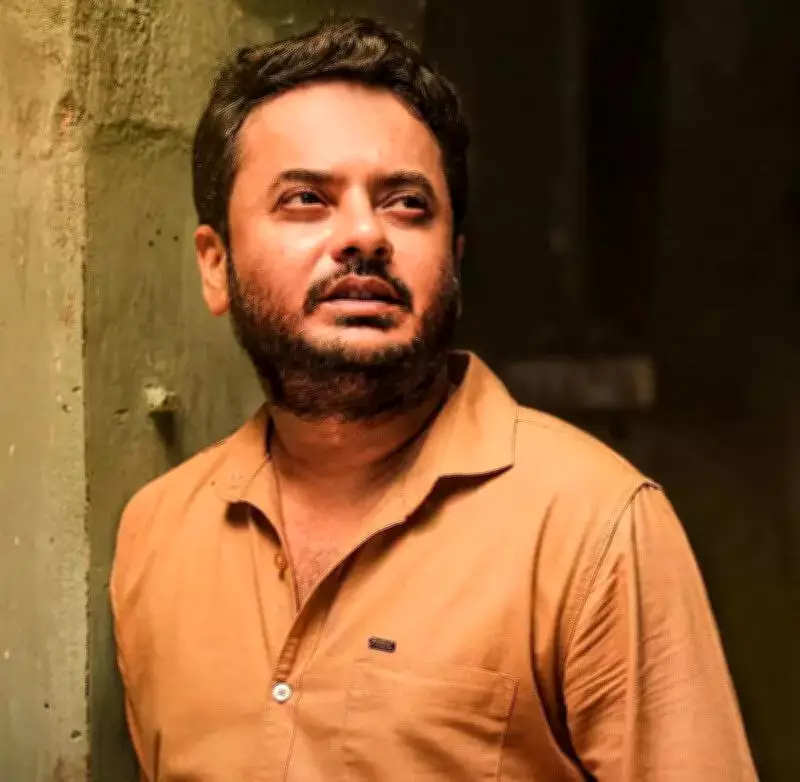
Kolkata: Mandatory insurance for all Bengali films and a model code of conduct for shooting units are set to be key measures of Tollywood's proposed Standard Operating Procedure (SOP), following the death of actor Rahul Banerjee during a serial shoot in Talsari on March 29.
Representatives of the Eastern India Motion Picture Association (EIMPA) and the West Bengal Motion Picture Artists' Forum met on Monday to finalise the framework. EIMPA president Piyaa Sengupta said there was broad consensus on most issues, including making insurance compulsory for every film. "It was a friendly meeting where we agreed on 95% of all the issues discussed," Sengupta said.
Actor Prosenjit Chatterjee stressed the urgency of strengthening safety and security concerns. "Rahul's unfortunate demise showed us that we often overlook certain things that have been prevalent for long. Insurance is very important for artists, technicians, sets and equipment," he said. Forum general secretary Shantilal Mukherjee said discussions on a detailed code of conduct would continue in the upcoming meetings.

Producer Firdasul Hasan told TOI that talks are on to have accident cover for both artists and non-artists. "Sets too should be insured from heavy rain and fire. If artists take up roles that require specialised skill, they have to specify about being aware of the risks in their undertaking," Hasan said.
However, the proposed measures have raised concerns over rising production costs. With the Bengali film market already under strain — marked by modest box office returns and limited satellite deals — producers said absorbing additional expenses may not always be practical. "This issue will be discussed post-elections," Hasan added.
Producer Rana Sarkar said mandatory insurance was long overdue in Tollywood. "We also want assurance that artists adhere to schedules like reporting on time, completing dubbing and participating in promotions. Delays caused by unprofessional conduct affect production and finances," he said.
The meeting also addressed accountability in high-risk sequences. "If a director or producer introduces a new risky shot, he has to record a video or give an undertaking and take responsibility should there be any untoward incident. If the actor agrees to a risky shot, he or she too has to give documentary evidence stating that he is well aware of the risks and agreeing to do the shot willingly. Implementing such documentation during active shoots could pose challenges," Sarkar added.