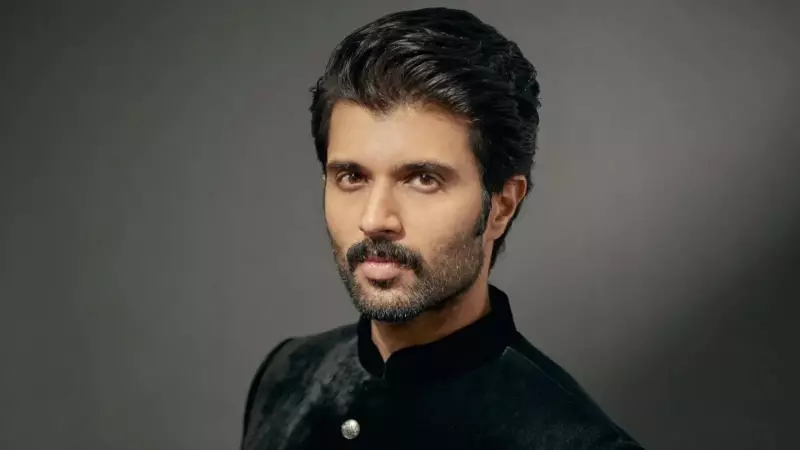
Telugu cinema's popular actor Vijay Deverakonda has opened up about his deep-seated preference for constant company, revealing that he rarely enjoys travelling or being by himself. The actor, known for his energetic roles, shared insights into his social life and childhood during a recent interview.
The 'Boys Hostel' Life of a Star
In a chat with Curly Tales, the 35-year-old actor explained the origins of his current living situation. "I grew up with 16 boys around, always," Deverakonda said, describing a childhood filled with constant companionship. This pattern has continued into his adult life and stardom.
His home in Hyderabad has famously been dubbed a 'boys hostel' by his close circle. "7 out of 10 times, I love chilling at home. All my friends come home," he shared. The actor has even designed his space to accommodate this lifestyle, featuring a home theatre room that can sleep up to 15 people, complete with foldable hostel-style mattresses for overnight stays.

"Then there are those days where you want to go out and feel the energy of the city with the same group of people," he added, painting a picture of a life perpetually shared. However, this comfort in crowds comes with a caveat: "But I can never travel alone."
The Psychology Behind the Fear of Solitude
Dr. Chandni Tugnait, a psychotherapist and life alchemist, explains that Deverakonda's sentiment is common among those conditioned to constant social engagement. "Most people who grew up with people around struggle when suddenly faced with solitude," she noted. This is more than just habit; it's an emotional conditioning where one's circle becomes a 'second home' for every decision, trip, and weekend.
Dr. Tugnait elaborates on why being alone can feel unsettling. "Your mind, accustomed to constant engagement, begins to race, searching for missing stimulation, making solitude feel unfamiliar," she said. This discomfort often surfaces unresolved emotions and thoughts that are usually drowned out by external noise.
Learning to Embrace Your Own Company
Despite the challenges, experts stress that solitude is not the same as isolation. "Strong friendships are a gift. But so is the ability to be at peace in your own company," Dr. Tugnait emphasised. Mastering solitude allows one to choose companionship from a place of wholeness, not neediness, which she describes as "true freedom." Solitude can be a powerful space for self-discovery, free from the distractions of a social group.
For those, like Vijay, who find the idea daunting, here are some practical steps to start embracing solitude:
- Redefine Alone Time: Shift your perspective. See solitude not as isolation, but as an opportunity to reconnect with yourself.
- Start Small: Begin with brief, manageable moments. Try a solo coffee date, a quiet walk in a park, or simply spending an evening without social plans.
- Reframe Your Narrative: Change your internal dialogue from "I am alone" to the more empowering "I am with myself."
- Use the Time for Exploration: Discover what you enjoy outside the group dynamic. Pick up a new hobby, read, or start a journal.
- Gradually Embrace Independence: Consider a short solo trip or dedicate time to silence. The practice makes it feel more natural.
- Address Underlying Anxiety: If solitude triggers significant anxiety, it may point to deeper, unresolved issues that could benefit from professional attention.
Vijay Deverakonda's candid admission highlights a common modern experience—the struggle between the joy of community and the unfamiliar territory of self. While his 'boys hostel' continues to thrive, his story serves as a reminder of the balance between cherished social bonds and the equally important journey inward.