Education has long been recognized as one of the most powerful instruments for social change. It transforms the way individuals think, communicate, work, and live. Societies that prioritize education tend to advance with greater equality, awareness, and opportunity.
For centuries, however, access to education was not universal. In many parts of the world, women were denied the right to learn, pursue professional growth, or make decisions about their own lives. Consequently, the education of women became intrinsically linked to concepts of freedom, empowerment, and societal progress.
The Famous Quote and Its Origin
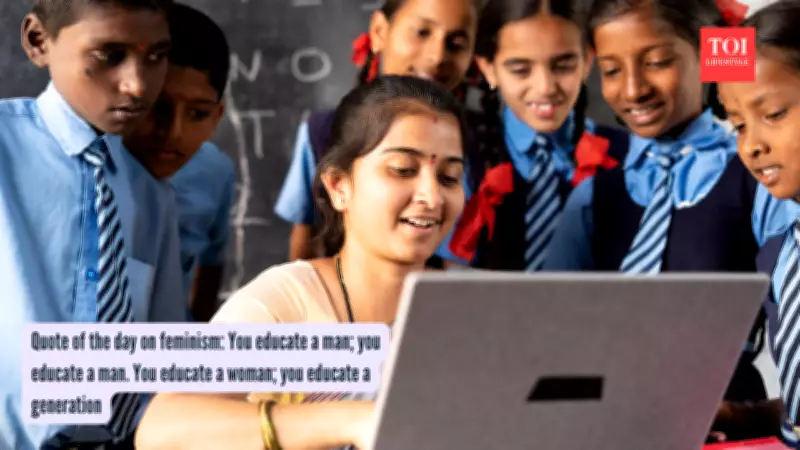
The quote, "You educate a man; you educate a man. You educate a woman; you educate a generation," is widely attributed to Brigham Young, a 19th-century American religious leader and the second president of The Church of Jesus Christ of Latter-day Saints. Despite its age, the saying remains profoundly relevant in contemporary discussions about gender equality and education.

What the Quote Means
The essence of the quote is straightforward yet deep. When a man receives education, the benefits often remain confined to his personal development and career advancement. In contrast, when a woman is educated, her knowledge tends to ripple through her family and community. Educated women are more likely to support their children's learning, make informed decisions, contribute economically, and foster healthier, more aware communities. This intergenerational impact is why the quote resonates strongly with feminist ideals, as it advocates for equal rights and opportunities for women, including the fundamental right to education.
Historical Context and Feminist Connection
Historically, women across the globe were often relegated to domestic roles and denied formal schooling. Feminist movements emerged to challenge these inequities, arguing that women deserve the same educational opportunities as men. The quote encapsulates this struggle, emphasizing that investing in women's education is not just a matter of fairness but also a catalyst for broader social advancement.
Relevance in Today's World
Although women's access to education has improved significantly in many countries, millions of girls still face formidable barriers such as poverty, child marriage, gender discrimination, and lack of resources. Organizations like UNESCO continue to promote the idea that educating girls and women is essential for reducing poverty, fostering peace, and achieving gender equality.
An educated woman often becomes a pillar of strength for her family and society. She is more likely to understand healthcare, support her children's education, participate in decision-making, and achieve financial independence. This creates a positive cycle where future generations grow up with enhanced opportunities and awareness. Thus, women's education is not merely a personal accomplishment but a social investment with far-reaching returns.
A Balanced Perspective
It is important to note that the quote should not be interpreted as placing the sole responsibility for raising future generations on women. Modern feminism advocates for shared responsibility between men and women in building families and societies. The true power of the quote lies in its recognition of the transformative potential of educating women, while contemporary thought emphasizes partnership and equality in all spheres of life.