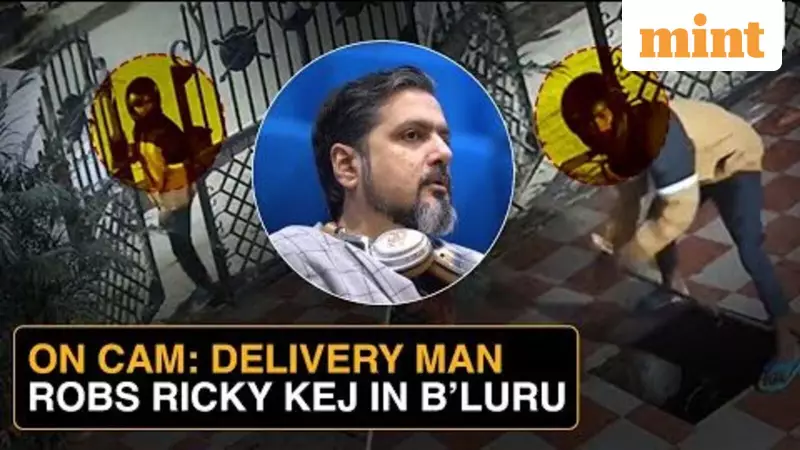
In a shocking breach of trust and security, three-time Grammy Award-winning composer and environmentalist Ricky Kej fell victim to a bold theft at his Bengaluru residence. The perpetrator was a delivery executive from the popular food delivery platform Zomato. The incident, which occurred on December 16, 2025, has sent ripples through the city, highlighting the vulnerabilities inherent in app-based service interactions.
The Brazen Theft: A Two-Act Intrusion
The sequence of events, as detailed by Ricky Kej himself, reveals a calculated act. The Zomato delivery personnel first arrived at the musician's home under the guise of a routine delivery. However, this initial visit appears to have been a scouting mission. The individual left only to return a second time, not to deliver food, but to commit the crime.
On this second, unauthorized entry, the delivery executive stole a sump cover from the property. The audacity of the act—entering the premises twice—left Kej alarmed and exposed the glaring security lapse. The composer took to social media platform X (formerly Twitter) to report the trespass and theft, directly tagging both Zomato and the Bengaluru Police to seek immediate action.

Swift Reactions: Platform and Police Respond
The public call-out prompted instant responses from the concerned authorities. Zomato's official reaction was one of grave concern. The company swiftly acknowledged the complaint, stating it was "concerning" and assuring the public and Kej that they were "investigating immediately." This rapid response underscores the potential reputational damage such incidents can cause to gig-economy platforms built on user trust.
Concurrently, the Bengaluru Police also engaged with the report, asking Kej to share further details to initiate a formal investigation. The involvement of law enforcement shifts the incident from a customer service complaint to a potential criminal case, emphasizing the seriousness of the trespass and theft.
Broader Implications: Urban Safety in the Gig-Economy Age
This incident transcends the theft of a single item. It acts as a stark urban safety alert for millions of Indians who regularly invite delivery personnel into their residential complexes or to their doorsteps. What is designed as a convenient, routine service can, as this case shows, turn into a security nightmare.
The episode raises critical questions about the verification and monitoring processes employed by app-based service aggregators. While these platforms have revolutionized convenience, the safety protocols for the personnel granted access to private homes must be scrutinized. Consumers are left wondering: Is your home safe when you order a delivery?
In the wake of the incident, Zomato has promised to take action. The outcome of their internal investigation and the police probe will be closely watched. For the public, it serves as a crucial reminder to remain vigilant, even during seemingly mundane transactions. The trust placed in digital platforms must be matched by robust safety measures to protect consumers in their own homes.