Haq Movie Review: A Superficial Retelling of a Complex Legacy
The release of the Hindi film 'Haq' has sparked conversations, but not necessarily for the right reasons. Directed by Suparn Verma and featuring a cast led by Yami Gautam Dhar, Emraan Hashmi, Sheeba Chaddha, and Vartika Singh, the movie attempts to dramatize the historic Shah Bano case. However, the film has been criticized for presenting a version of history that feels incomplete, neglecting the broader socio-political landscape that defined the era.
What is the Film 'Haq' About?
At its core, 'Haq' delves into the real-life story of Shah Bano, a Muslim woman from Indore who, in 1985, fought a legal battle for maintenance from her divorced husband. Her case went all the way to the Supreme Court, which ruled in her favor. This landmark judgment, however, triggered massive political repercussions, leading the then government to pass an act that arguably diluted the court's verdict. The film, released in theatres on November 7, 2025, aims to bring this pivotal moment in Indian history to the big screen.
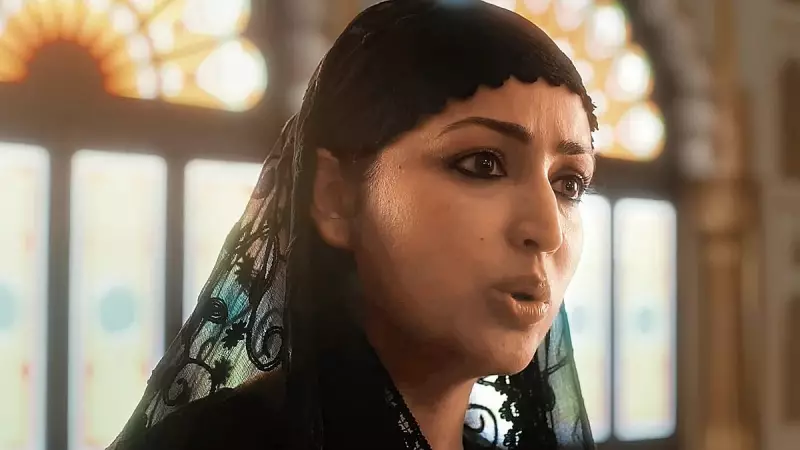
The narrative focuses on the personal struggle of Shah Bano, portrayed by Yami Gautam. The supporting cast, including Emraan Hashmi, is tasked with bringing the surrounding legal and personal drama to life. Despite the powerful subject matter, the film has received a tepid response, earning a two-star rating out of five in initial reviews.

Where 'Haq' Fails to Deliver Context
The central critique of the film, as highlighted by reviewers like Guruprasad D N, is its failure to capture the larger context. The Shah Bano case was not just a personal legal battle; it was a watershed moment that ignited intense nationwide debates on secularism, gender justice, and minority rights.
By focusing narrowly on the individual story, the film overlooks the complex political machinations and the powerful societal forces that were at play. It cannot be assumed that such portrayals are innocent, as they shape public perception of history. The review argues that 'Haq' simplifies a deeply complex period, reducing it to a courtroom and family drama without adequately addressing the monumental consequences the case had on Indian politics and the Muslim personal law.
The final verdict? While 'Haq' boasts a competent cast and tackles a significant chapter of Indian history, its inability to situate the Shah Bano story within its vast and contentious framework leaves the audience with a fragmented and ultimately unsatisfying understanding of the events that unfolded.