

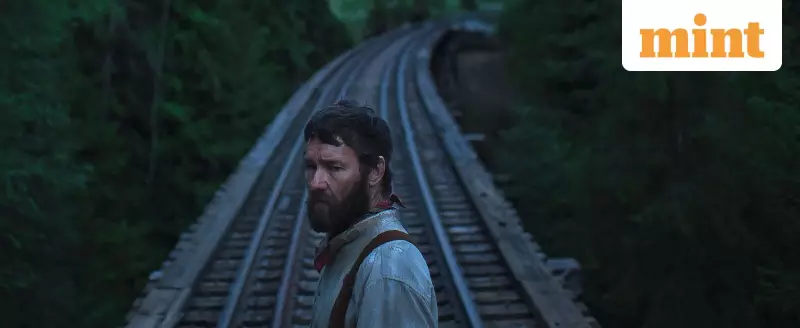
Train Dreams: A Cinematic Ode to the Unremarkable Life
In Satyajit Ray's classic Apur Sansar (1959), there's a poignant scene where Apu defends the beauty of an ordinary existence. This same spirit of finding meaning in simplicity resonates powerfully through Clint Bentley's Train Dreams, a film that transforms the mundane into something mystical and profound.
The Quiet Life of Robert Grainier
The film follows Robert Grainier, played with remarkable subtlety by Joel Edgerton, from his youth as an orphan in rural Idaho through to his eighties. As the narration reveals, "He quit attending school in his early teens, and the next two decades passed without much direction or purpose." Grainier becomes a logger, working various jobs but never straying far from his small town roots.
Adapted from Denis Johnson's 2011 novella by Bentley and Greg Kwedar, Train Dreams stands in stark contrast to epic American origin stories. Instead of grand historical narratives, Bentley maintains a narrow focus on Grainier's quiet life, creating what might be described as an anti-epic.

A Distinct Cinematic Vision
Bentley's second feature after 2021's Jockey premiered at the 2025 Sundance Film Festival before Netflix acquired distribution rights. While comparisons to Terrence Malick are inevitable for any nature-focused American indie, Bentley acknowledges the influence while establishing his own unique voice.
"I love his films deeply... Working with nature, it is hard not to be influenced," Bentley told Screen Daily. The film shares Malick's poetic sensibility, particularly in its bursts of violence amid bucolic settings and echoes of Days of Heaven in Grainier's homestead life with his wife (Felicity Jones) and daughter.
Technical Excellence and Emotional Depth
The film's technical elements work in perfect harmony to create its distinctive atmosphere:
- Adolpho Veloso's cinematography maintains sharp clarity, avoiding the nostalgic haze common to frontier films
- Bryce Dessner of The National contributes a fantastic score that shifts between driving, mournful, and comforting tones
- Will Patton's folksy narration adds texture without overwhelming the visual storytelling
Bentley's approach to time is particularly masterful. The decades pass almost imperceptibly until technological changes—like power tools replacing axes—startle both viewer and protagonist. Grainier's eventual visit to Washington D.C. feels like entering another world entirely.
Contemporary Relevance in Historical Setting
While not overtly political, Train Dreams engages with important themes that resonate today:
- Environmental consciousness expressed through William H. Macy's character, an explosives expert with homespun wisdom about nature
- Immigration history through Grainier's haunting memories of Chinese workers' expulsion and violence during railroad construction
- The search for meaning in what society might deem an insignificant life
The film's treatment of Chinese labor history feels particularly relevant given contemporary immigration debates, offering a quiet but powerful commentary on America's complex relationship with its immigrant communities.
A Graceful Conclusion
The film concludes with one of cinema's most beautiful grace notes. After a lifetime of searching, Grainier finally experiences connection during a biplane ride, "on that spring day, as he misplaced all sense of up and down... felt, at last, connected to it all."
Train Dreams celebrates what Apu recognized in Ray's film—that facing reality and simply living can constitute a meaningful existence. In an era obsessed with extraordinary achievements, Bentley's film offers a quiet, profound alternative: the beauty of an ordinary life, fully lived.

