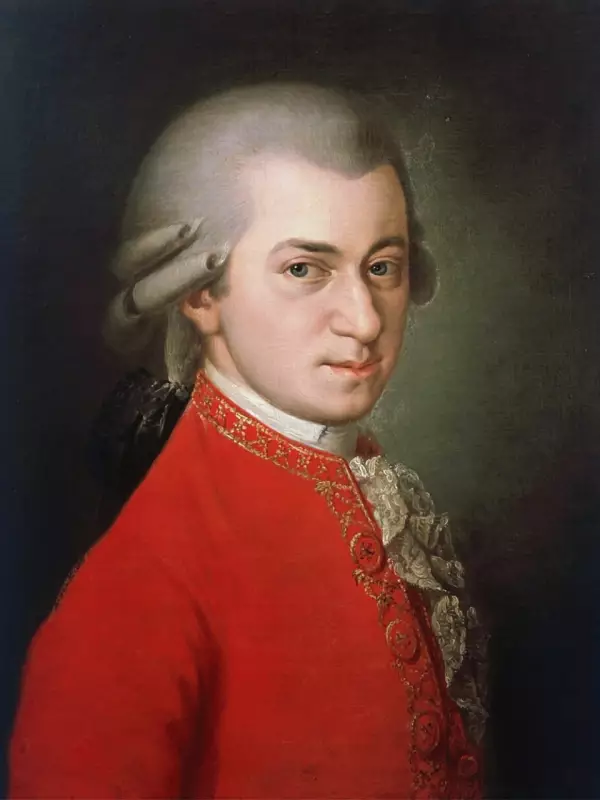
Wolfgang Amadeus Mozart, the prodigious composer of the Classical era, left behind a legacy of music that continues to enchant listeners across the globe. His works, characterized by their melodic brilliance, emotional depth, and structural perfection, remain staples in concert halls and personal playlists alike. For those looking to delve into his oeuvre or simply appreciate his masterpieces, here are eight essential Mozart compositions that you should definitely listen to.
Symphony No. 40 in G Minor, K. 550
This symphony is one of Mozart's most famous and frequently performed works. Composed in 1788, it stands out for its dramatic intensity and emotional range, moving from somber passages to lively melodies. The first movement, in particular, is renowned for its urgent and passionate theme that captures the listener's attention immediately. It showcases Mozart's ability to blend complexity with accessibility, making it a must-listen for both classical music aficionados and newcomers.
Eine kleine Nachtmusik, K. 525
Translated as "A Little Night Music," this serenade for strings is perhaps Mozart's most recognizable piece. Its cheerful and elegant melodies have made it a popular choice for various media, from films to advertisements. Composed in 1787, it consists of four movements that exude grace and charm, offering a perfect introduction to Mozart's lighter, more playful side.

Piano Concerto No. 21 in C Major, K. 467
Known for its sublime second movement, which was famously used in the film "Elvira Madigan," this concerto is a testament to Mozart's skill in blending piano and orchestra. The lyrical and serene melody of the second movement contrasts beautifully with the energetic and virtuosic outer movements, highlighting his compositional versatility.
Requiem in D Minor, K. 626
Mozart's final composition, left unfinished at his death, is a profound and moving work that explores themes of mortality and redemption. The Requiem is shrouded in mystery and legend, adding to its allure. Its powerful choral and orchestral sections, such as the "Lacrimosa," evoke deep emotion and showcase Mozart's mastery of sacred music.
The Marriage of Figaro, K. 492
This comic opera is one of Mozart's greatest achievements in the genre. Based on a play by Beaumarchais, it features witty librettos, memorable arias, and intricate ensembles that highlight social themes and human foibles. The overture alone is a lively and engaging piece that sets the tone for the entire opera.
Clarinet Concerto in A Major, K. 622
Written for Mozart's friend, the clarinetist Anton Stadler, this concerto is celebrated for its lyrical beauty and technical demands. The second movement, in particular, is a slow, expressive adagio that allows the clarinet to shine with its warm, mellow tones, demonstrating Mozart's innovative use of wind instruments.
Don Giovanni, K. 527
Another of Mozart's operatic masterpieces, Don Giovanni blends drama, comedy, and supernatural elements. The opera tells the story of the libertine Don Giovanni and his eventual downfall, featuring powerful arias and dramatic scenes that explore themes of morality and consequence.
Piano Sonata No. 11 in A Major, K. 331
This sonata is best known for its third movement, the "Rondo alla Turca," which imitates Turkish military music with its lively and percussive style. The entire sonata is a delightful work that showcases Mozart's ability to create engaging and varied piano music, from the graceful theme and variations of the first movement to the energetic finale.
These eight compositions represent just a glimpse into Mozart's vast and influential body of work. Each piece offers a unique window into his genius, whether through emotional depth, melodic invention, or structural innovation. By listening to these essential works, you can appreciate why Mozart remains one of the most revered composers in history, his music continuing to inspire and move people centuries after his time.