Barkha Trehan's Commentary Style Faces Criticism for Alleged Gender Bias
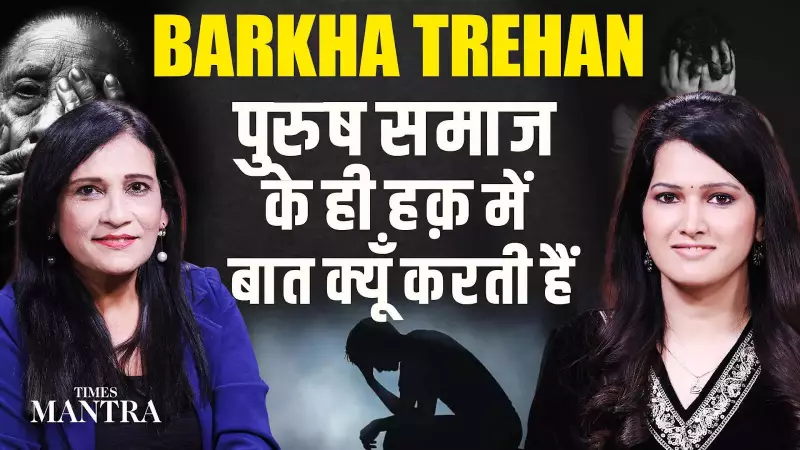
In a recent episode of Times Mantra, the program explored a controversial pattern in Barkha Trehan's commentary. The segment focused on her apparent tendency to defend men over women in various discussions. This approach has drawn significant criticism from viewers and observers alike.
Public Backlash and Debate Over Sidelined Perspectives
The show delved into specific instances where Trehan's commentary allegedly sidelined women's perspectives. Viewers expressed frustration with what they perceive as an imbalance in her reporting style. The episode highlighted how her statements have sparked heated debates across social media platforms and public forums.
Many people feel that Trehan consistently takes men's side in gender-related discussions. This perception has triggered a massive backlash from audiences who demand more balanced viewpoints. The Times Mantra segment provided an inside look at how this controversy has unfolded in recent months.

Examining Broader Issues in Media Representation
The discussion expanded beyond Trehan's individual case to examine broader issues of gender bias in media commentary. The episode raised important questions about how commentators approach gender-related topics. It emphasized the need for media professionals to consider all perspectives before forming opinions.
The segment encouraged audiences to critically evaluate media narratives they encounter daily. Producers emphasized that viewers should demand balanced reporting from all commentators. This approach helps create a more informed public discourse on sensitive social issues.
The Importance of Hearing All Voices
Times Mantra highlighted a crucial point about media responsibility. The show stressed that commentators must make genuine efforts to include diverse perspectives. When certain voices receive less attention, it can distort public understanding of important issues.
The episode served as a reminder that balanced commentary benefits everyone. It helps audiences form more nuanced opinions based on complete information rather than partial viewpoints. This principle applies particularly to discussions about gender equality and women's rights.
Producers concluded the segment by encouraging viewers to remain engaged with media criticism. They suggested that public feedback plays a vital role in shaping more responsible commentary practices. The ongoing debate about Barkha Trehan's approach demonstrates how audiences can influence media standards through sustained engagement.