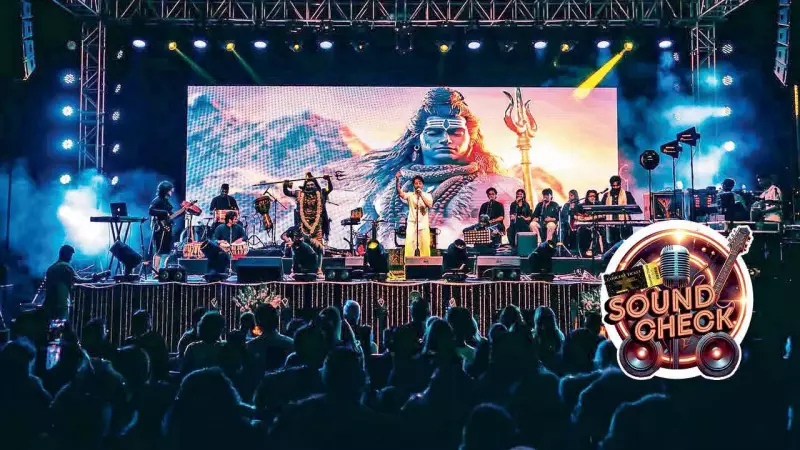
Bhajan Clubbing: The Fusion of Devotion and Modern Entertainment
In recent months, a new cultural phenomenon has captured the attention of music enthusiasts across India – bhajan clubbing. This emerging trend represents a fascinating fusion where traditional devotional music meets contemporary concert experiences, creating immersive spiritual gatherings that resonate with diverse audiences.
The Evolution from Spiritual Concerts to Bhajan Clubbing
Until recently, artists performing devotional music typically described their events as spiritual music concerts or kirtan concerts. Renowned performers like Radhika Das, Krishna Das, Jahnavi Harrison, Acyuta Gopi, and Nirvaan Birla have been touring the country with these experiences for years. These concerts share many characteristics with mainstream musical events – they sell out auditoriums, inspire dancing and singing, and often move audiences to tears through powerful chants and melodies.
The fundamental difference lies in the music's spiritual orientation and the shared experience of inner peace, reflection, and meditation that these gatherings facilitate. While the concert setting appears familiar, the intention remains deeply devotional, creating spaces where people can connect with something beyond everyday life.

Artists' Perspectives on the Bhajan Clubbing Phenomenon
Nirvaan Birla, Founder of Sounds for the Soul and Managing Director of Birla Open Minds, views this trend as evidence of how spirituality is being reimagined in contemporary society. "It represents a space where devotion and modern expression come together naturally," he explains. "I see it as a sign that spiritual music is evolving with the times while still carrying its essence forward."
For Radhika Das, bhajan clubbing represents a modern way of describing something ancient – collective chanting that fosters joy, release, and connection. "It reflects a desire to experience devotion in a shared, energetic space rather than in isolation," she notes. "While the term uses contemporary language, at its heart it points to people coming together to sing, move, and feel something deeper than everyday life."
Beyond Labels: The Essence of Devotional Music
Radhika Das emphasizes that the term 'bhajan clubbing' isn't about redefining bhajan but about widening its audience. "I understand why the term exists and appreciate what it's trying to communicate, especially to younger audiences who may feel distant from traditional spiritual spaces," she says. "My focus is on creating sincere kirtan spaces where people can chant from the heart. If someone discovers mantras through a modern description, that's wonderful – what matters most is the experience they have once they arrive."
Nirvaan Birla relates to the spirit behind the term while acknowledging its limitations. "My music blends devotion with contemporary sounds, and that intersection is what many identify as bhajan clubbing," he shares. "For me, it's less about the label and more about creating music that feels honest, accessible, and rooted."
The Role of Labels in Introducing New Audiences
When asked whether terms like bhajan clubbing help introduce new audiences to spiritual music or oversimplify the genre, artists offer nuanced perspectives. Radhika Das explains, "Labels can be helpful entry points; they make something unfamiliar feel approachable. But the real depth of devotional music can't be captured in a phrase. That depth is only experienced through participation. If the label helps someone walk through the door, great. Once they're inside, the music speaks for itself."
Nirvaan agrees that such labels help open doors for newer audiences. "They make devotional music feel familiar and current," he observes. "While the music itself holds far more depth than any label can capture, these terms play a role in starting the conversation and inviting people in."

The Contemporary Sound of Devotional Essence
These concerts typically feature instruments like the dhol, sitar, and harmonium, rooted in Indian classical and devotional traditions while carrying contemporary freshness. Grammy-nominated artist Acyuta Gopi describes the experience as "pure, immersive, and elevating." She observes, "You see a child dancing, a mother singing, a grandfather with his eyes closed and hands raised, sometimes with tears in their eyes – it's a reminder that bhakti is both cool and captivating."
Nirvaan describes his concerts as "immersive and heartfelt" experiences where music, energy, and emotion converge. "It's contemporary in sound and devotional in essence," he says, "blending soulful spirituality with modern music through original compositions and reimagined classics that resonate with today's generation."
Traditional Roots and Modern Expressions
Abhijeet Ghoshal, who recently released his Hanuman Chalisa Club Mix, insists that bhajan clubbing poses no threat to traditional bhajan and kirtan programmes. "The music will always remain sacrosanct, even as newer trends emerge," he asserts. In these contemporary renditions, instruments like drums, bass guitar, djembe, and cajon coexist with traditional dholak, harmonium, and manjira.
Deepak Choudhary of Eva Live, which organizes festivals and concerts featuring these artists, describes the phenomenon as "a mix of spirituality, culture, and entertainment." He notes, "The vibe is shaped by the music, but it's the shared emotional space that truly sets it apart. We haven't associated ourselves with the term – I don't think purists approve of it."
This emerging trend represents more than just a musical genre – it's a cultural movement where ancient devotional practices find new expressions through contemporary formats, creating bridges between generations and making spiritual experiences accessible to wider audiences while maintaining their essential devotional character.