The year 2025 marked a significant turning point for Bollywood music, moving decisively away from lazy remixes towards bold, respectful reinventions. Filmmakers and composers successfully revived soulful melodies from the 1960s through the 1990s, infusing them with modern elements like synth-pop, rap, and lo-fi beats. This strategic fusion created a powerful bridge across generations, from Boomers to Gen Alpha, transforming these refreshed tracks into viral social media trends, party anthems, and celebratory staples.
The Dhurandhar Masterclass in Musical Reinvention
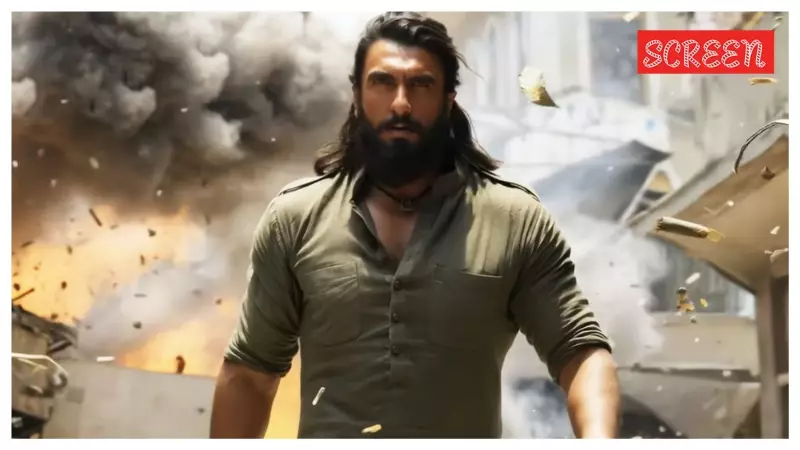
The most striking example of this 2025 phenomenon is found in Aditya Dhar's spy thriller, 'Dhurandhar'. The film's song, "Ishq Jalakar - Karvaan", stands as a masterclass in revival. It takes the legendary 1960 qawwali "Na Toh Karvan Ki Talash Hai" from the film Barsaat Ki Raat and infuses it with a gritty, cinematic energy. Composer Shruti Kaushal retained the spiritual core and vocal intensity of the original but layered it with heavy percussion and atmospheric synths.
This approach, which respected the melody while modernizing the sound, resulted in a massive hit, particularly with Gen Z audiences. The track's raw, vocal-heavy "vibe" offered a fresh contrast to purely electronic music. Its journey from a film soundtrack to a cultural moment was amplified by platforms like Instagram Reels and YouTube Shorts, sparking a wave of dance videos and fan edits that extended its popularity far beyond the movie's release.

Other Standout Revivals That Defined the Year
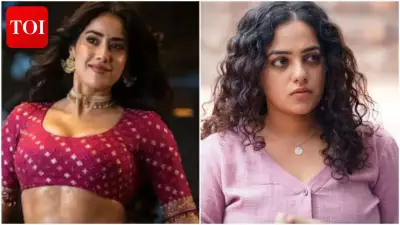
The trend was widespread, with several other classics getting a new lease on life in 2025. The classic "Ramba Ho", originally popularized by Usha Uthup, returned to playlists after Madhubanti Bagchi and Shashwat Sachdev gave it a contemporary spin. Another major revival was "Bijuriya" in the film Sunny Sanskari. Known for its rustic folk-pop appeal, the song was reimagined with sharper production and vibrant choreography featuring Janhavi Kapoor, Varun Dhawan, Sanya Malhotra, and Rohit Saraf, cementing its place in wedding playlists and club nights.
In the comedy-drama Mere Husband Ki Biwi, the 1990s festive track "Gori Hai Kalaiyan" underwent a high-voltage transformation. The revival became a hardcore collaboration between Badshah and Kanika Kapoor, replacing dholak rhythms with sleek rap arrangements and a thumping bassline tailored for the "party-core" aesthetic. Furthermore, the iconic "Saat Samundar Paar" was reintroduced in Tu Meri Main Tera Main Teri Tu Mera as a soft acoustic version, used not as a novelty remix but as a bridge to honor the original era.
The Social Media Engine and Lasting Cultural Impact
The resurgence of these classics was fundamentally driven by social media. Instagram and YouTube acted as cultural amplifiers, allowing songs to live multiple lives—as film soundtracks, Reel trends, and personal soundtracks for everyday moments. By mid-2025, the trend had firmly moved offline. Party playlists across Indian cities seamlessly blended these remade classics with global pop and Punjabi hits, with the familiar melodies guaranteeing instant crowd engagement.
This trend did not overshadow contemporary music but enriched the overall landscape. It proved that Gen Z listeners are not opposed to older music; they simply need it presented in a culturally and aesthetically relevant way. Ultimately, Bollywood's 2025 revival trend has done more than create hits; it has actively preserved musical heritage. By reintroducing timeless melodies through a modern lens, it has ensured that the classics of the past remain relevant for future generations.