Once a bustling digital agora for bibliophiles, a unique literary movement on the micro-blogging platform Twitter has quietly faded into history. Known as 'Literary Twitter', this online ecosystem was where readers, writers, and everyone in between converged, forging connections, debating prose, and even building careers, all within the confines of 280-character posts. Its passing, marked by a reflective article on LitHub, prompts a nostalgic look back at a community that proved a generation's enduring love for the written word.
The Heyday: A Digital Literary Salon
At its peak, Literary Twitter functioned as a dynamic, global salon. Poet Hannan Cohen revealed that a staggering 90% of her publications stemmed from personal connections made on the platform. It democratised access, eliminating the need for expensive MFA programs or exclusive conferences. Writers could follow their favourite literary journals, spot open calls for submissions, and share work that sometimes went viral, leading to coveted book deals. The community thrived on inside jokes, hashtags dedicated to authors and genres, and spirited discussions in threads.
This era birthed memorable cultural touchstones. The enigmatic Duchess Goldblatt, a fictional character created by an anonymous writer coping with grief, charmed followers with a blend of wisdom and sharp wit, later inspiring a memoir hailed by The Washington Post. The 2021 'Kidney Gate' controversy sparked intense debate about artistic appropriation, stemming from a real-life kidney donation that inspired a short story. Even Shakespeare's King Lear saw a revival as a creative prompt during Covid-19 lockdowns, fueled by lore that the Bard wrote it while quarantined by the plague.

The Icons and Voices of the Movement
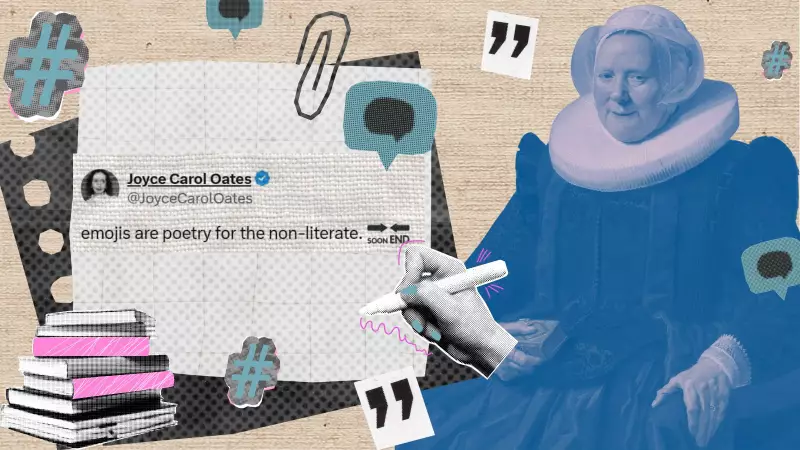
Literary Twitter was defined by its vibrant personalities. American author Joyce Carol Oates was considered its OG member, renowned for her witty and politically charged commentary. Her sharp critique of former US President Donald Trump's literacy once prompted a user to wish for a 'Pulitzer Prize for Twitter prose'. Oates was also an early voice expressing revulsion at the ravaging of Gaza in late 2023.
The movement also amplified powerful short fiction, like Kristen Roupenian's 'Cat Person', which went viral, capturing the uneasy nuances of modern dating amidst the #MeToo movement. Poets like Patricia Smith shared their creative struggles with poignant brevity. Among Indian authors, Meena Kandaswamy maintained a strong presence, her concise tweets cutting through the digital noise with literary precision.
The Fade to Silence: Algorithms and Exodus
According to its active participants, the vibrant chatter began to dim, especially after 2022. The pivotal change was Elon Musk's takeover of Twitter and its rebranding to 'X'. The platform's algorithmic shifts prioritised paid content and imposed threads, disrupting the organic flow of conversation. The effort to scroll through noise to find a friend's new poem no longer felt worthwhile.
Hannan Cohen lamented that the changes "destroyed a central hub of communication" crucial for both creative work and social connection. As communities fractured, a significant migration of writers began, with many seeking new digital havens on platforms like Instagram. The unique ecosystem that once buzzed with literary energy fell quiet.
This homage is not just a eulogy but a testament to the resilient spirit of literary communities. While the specific digital salon of Literary Twitter may be gone, the connections it forged and the conversations it ignited remind us that the love for stories will always find new avenues to thrive and rebuild.