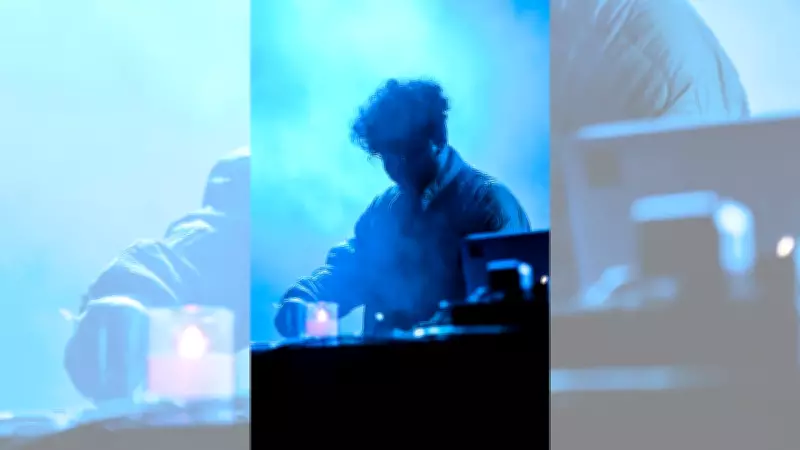
IDM: The Electronic Genre That Fuses Static Noise with Deep Emotion
Intelligent Dance Music, commonly known as IDM, stands as a distinctive and innovative genre within the electronic music landscape. It masterfully blends seemingly contradictory elements—static, glitchy sounds with profound emotional resonance—to create a listening experience that is both intellectually stimulating and deeply moving. This genre has carved out a niche for itself by challenging conventional notions of what electronic music can achieve, appealing to a global audience that values complexity and feeling in sound.
The Origins and Evolution of IDM
IDM emerged in the early 1990s, primarily in the United Kingdom, as a response to the more mainstream and repetitive forms of electronic dance music. Pioneering artists sought to push boundaries by incorporating experimental techniques, such as the use of static, noise, and irregular rhythms, into their compositions. Over the decades, IDM has evolved, with musicians continuously experimenting with new technologies and sounds, yet always maintaining its core ethos of blending technical precision with emotional depth.
Key Characteristics of IDM
The genre is defined by several key features that set it apart from other electronic styles:

- Glitch and Static Elements: IDM often incorporates glitchy, fragmented sounds and static noise, creating a textured and unpredictable auditory experience.
- Complex Rhythms: Unlike the steady beats of traditional dance music, IDM features intricate, polyrhythmic patterns that challenge listeners' perceptions.
- Emotional Depth: Despite its technical nature, IDM is known for evoking strong emotions, from melancholy to euphoria, through melodic layers and atmospheric soundscapes.
- Experimental Approach: Artists in this genre frequently use unconventional production methods and software to craft unique sounds.
Notable Artists and Their Contributions
Several artists have been instrumental in shaping IDM into what it is today. Aphex Twin, for instance, is renowned for his avant-garde compositions that mix abrasive noises with haunting melodies. Autechre has pushed the boundaries of rhythm and structure, while Boards of Canada infuses their music with nostalgic, emotional tones. These pioneers have inspired a new generation of musicians to explore the fusion of static and emotion in their work.
The Impact and Future of IDM
IDM has had a significant impact on the broader music industry, influencing genres like ambient, techno, and even pop. Its emphasis on innovation and emotional connection has resonated with listeners seeking more than just danceable beats. As technology advances, the future of IDM looks promising, with artists leveraging AI and new digital tools to further blend static elements with heartfelt expression. This genre continues to evolve, proving that music can be both intellectually challenging and deeply moving.