Pop Star Clashes With Administration Over Music Misuse
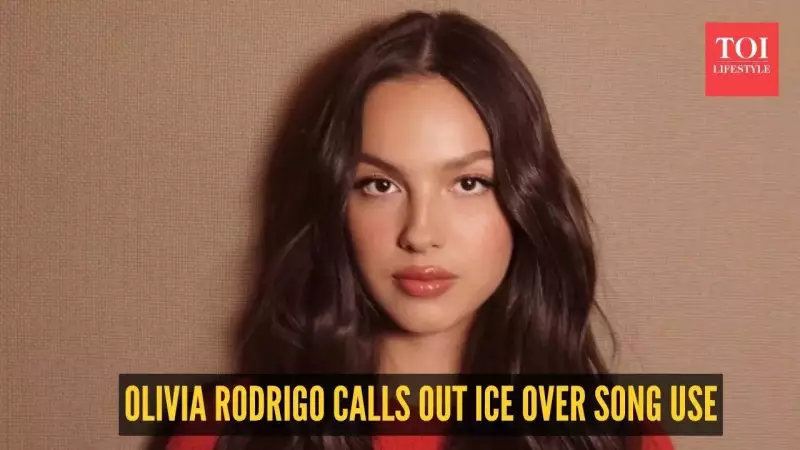
In a startling development that has ignited both political and artistic circles, pop sensation Olivia Rodrigo has publicly condemned the White House and Department of Homeland Security for using her hit song without permission in a controversial deportation video. The incident has raised serious questions about artistic control and political propaganda.
The joint Instagram post by the White House and DHS featured footage of Immigration and Customs Enforcement officers conducting raids, showing people being tackled and deported, followed by a montage of what appeared to be immigrants voluntarily boarding flights while smiling and giving thumbs-up. The entire sequence was set to Rodrigo's track "All-American B*tch" without her authorization.
The Viral Video and Immediate Backlash
The controversial video followed a pattern seen in numerous deportation recordings—masked agents, tear gas, and shackled individuals being directed toward vans destined for detention centers. What made this particular clip stand out was its editing style, which resembled a movie trailer complete with background music, and the specific choice of Rodrigo's popular song.

The caption accompanying the video delivered a stark warning: "LEAVE NOW and self-deport using the CBP Home app. If you don't, you will face the consequences." This direct messaging combined with the unauthorized use of music immediately triggered widespread criticism.
Rodrigo, who has never been shy about her political stance, responded swiftly in the comments section of the post. "don't ever use my songs to promote your racist, hateful propaganda," she wrote in a bold confrontation with the administration. Although the DHS appeared to delete her comment, Rodrigo's fans quickly captured and shared her message across social media platforms.
Public Support and Larger Questions
The pop star's firm stance earned immediate praise from supporters and followers. One social media user commented, "This is what a spine looks like btw," while another noted, "I admire Olivia for defending her work's integrity. Artists should control how their messages are used, especially when values clash so strongly."
Many observers found the administration's choice of music particularly puzzling given Rodrigo's well-documented opposition to Donald Trump and his immigration policies. The artist had previously expressed support for Trump's 2024 opponent, Kamala Harris, and had used her platform earlier this year to denounce ICE's deportation raids.
In her Instagram statement from earlier this year, Rodrigo had written: "I've lived in LA my whole life and I'm deeply upset about these violent deportations of my neighbors under the current administration. LA simply wouldn't exist without immigrants. Treating hardworking community members with such little respect, empathy, and due process is awful."
The Broader Implications for Artists
This incident has sparked a significant conversation about artistic rights in the digital age. The central question emerging from this controversy is: how much responsibility do artists bear when their work is repurposed to spread political messaging or propaganda?
In today's fast-paced digital environment, where songs can be transformed into rallying cries or soundtracks for state power within minutes, maintaining control over one's artistic expression has become both increasingly fragile and crucially important. The Rodrigo case highlights the challenges artists face when their work is co-opted for purposes that contradict their personal values and political positions.
The controversy continues to develop as discussions about copyright, artistic integrity, and political expression dominate social media platforms and news outlets. The incident serves as a powerful reminder of the complex intersection between art, politics, and digital media in contemporary society.