

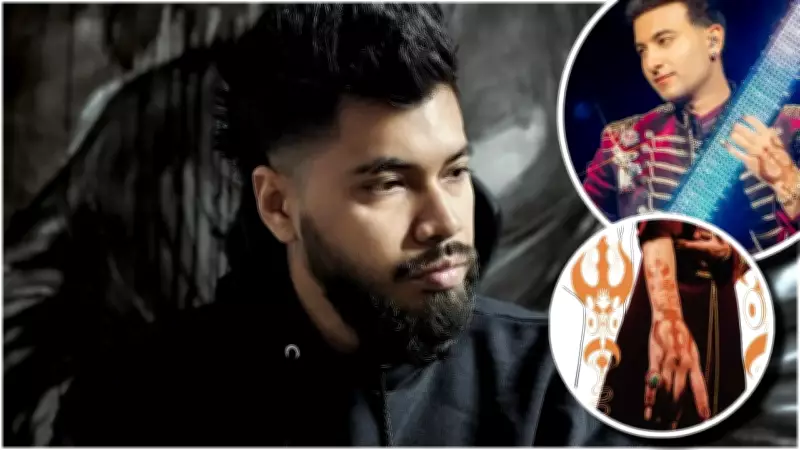
Visual Artist Santanu Hazarika Creates Mehendi Design for Sitarist Rishab Rikhiram Sharma
The intersection of music and visual art has produced a remarkable collaboration between multidisciplinary visual artist Santanu Hazarika and celebrated sitarist Rishab Rikhiram Sharma. This creative partnership has resulted in a unique mehendi design that celebrates the confluence of these two expressive art forms.
A Collaboration Rooted in Mutual Respect
Santanu Hazarika provided his distinctive artistic touch to Rishab Rikhiram Sharma's 'Sitar for Mental Health India Tour'. The collaboration emerged from their longstanding acquaintance and shared admiration for each other's creative work. According to Hazarika, their partnership developed naturally through previous discussions about potential joint projects.
"This collaboration happened because Rishab and I have been good acquaintances for quite some time," Hazarika explained. "We share mutual respect for each other's art forms and have been following each other's work. This was more like a short teaser, an experiment to see what we could create together."

The artist revealed that the project came together quickly after Rishab approached him with the mehendi design proposal. "He just hit me up one day asking if I would like to do a mehendi design," Hazarika recalled. "His hands are some of the most gifted in the entire industry, so it was an honor to create something for him. Turning it into a mehendi art form felt really epic."
Design Inspired by Mythology and Musical Expression
The mehendi design draws inspiration from Rishab's personal traditions and mythological symbolism. Hazarika explained that Rishab typically incorporates a trident, or trishul, in mehendi designs before his performances, which formed the foundation of their creative concept.
"The entire design was basically inspired by what Rishab had told me," said Hazarika. "He always incorporates a trident on his hand in some form of mehendi design before his shows. So the whole idea revolved around the iconography of Mahadev, or Shiva."
The design incorporates multiple symbolic elements from Hindu mythology, including the Naag (serpent), Damru (drum), trident, and third eye. Additionally, three horizontal stripes represent the Tripurantak form of Shiva. These elements were carefully integrated to create a flowing design that complements Rishab's musical performances and personal style.
"All of these elements were brought together to create a design that flowed beautifully with what he plays and how he likes to wear it on his body, as a statement and as an art form," Hazarika concluded.
Artistic Fusion for Mental Health Awareness
This collaboration represents more than just artistic expression—it serves the 'Sitar for Mental Health India Tour', which aims to promote mental wellness through musical performances. The mehendi design becomes a visual representation of this important initiative, blending traditional art forms with contemporary mental health advocacy.
The partnership between Hazarika and Sharma demonstrates how different artistic disciplines can converge to create something truly extraordinary. Their shared passion for their respective crafts has resulted in a unique artistic statement that transcends conventional boundaries between visual and musical expression.
This creative endeavor highlights the growing trend of interdisciplinary collaborations in the Indian arts scene, where artists from different backgrounds come together to explore new forms of expression and reach wider audiences with meaningful messages.

