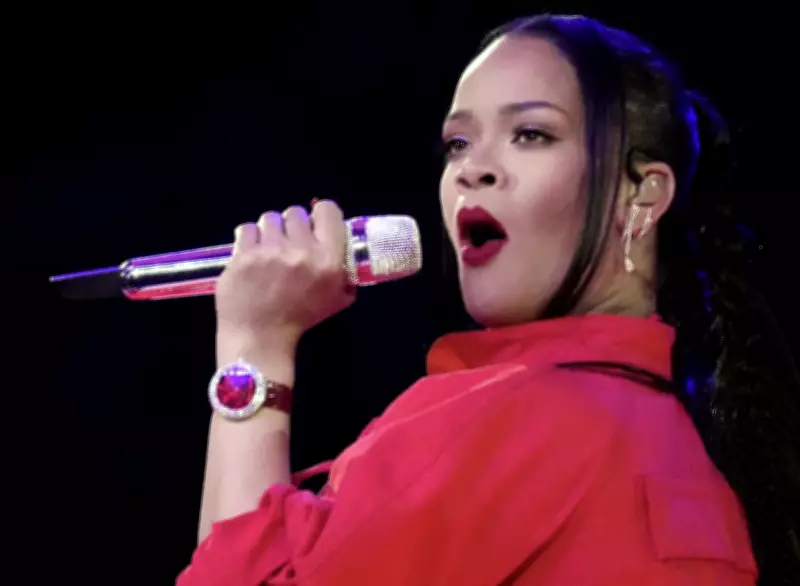
The Halftime Show: From Modest Beginnings to Global Phenomenon
The Super Bowl halftime show has evolved into one of the most anticipated and widely watched music events across the globe. What originated as simple marching band performances has now blossomed into a massive pop culture spectacle that attracts millions of viewers annually. Audiences tune in not only for the football game but also to witness which major artists will grace the stage during the interval.
The Early Years: Marching Bands and Themed Productions
During the initial two decades of the Super Bowl, halftime shows were a far cry from today's star-studded extravaganzas. Performances predominantly featured college marching bands, patriotic displays, and tribute shows. Institutions like Florida A&M, Grambling State, and the University of Arizona were frequent contributors throughout the late 1960s and early 1970s.
Throughout the 1970s and 1980s, shows heavily relied on themed productions. These included tributes to jazz legend Duke Ellington, celebrations of the Big Band era, Hollywood anniversaries, and even appearances by Peanuts characters. Groups such as Up With People became regular performers, while notable artists like Carol Channing and Ella Fitzgerald also made appearances during this period.

The Rise of Star Performers: A Major Shift in Entertainment
A significant transformation occurred in 1993 when Michael Jackson headlined the halftime show. His electrifying performance marked a pivotal shift, demonstrating that a global pop superstar could captivate massive attention during the halftime break. From that moment forward, the NFL began treating the halftime show as a premier entertainment event rather than merely a simple intermission.
Following Michael Jackson's groundbreaking performance, the NFL consistently secured major artists for the halftime stage. Notable performers from the 1990s and early 2000s included:
- Clint Black, Tanya Tucker, Travis Tritt, The Judds (1994)
- Tony Bennett, Patti LaBelle, Miami Sound Machine (1995)
- Diana Ross (1996)
- Blues Brothers, James Brown, ZZ Top (1997)
- Boyz II Men, Smokey Robinson, Queen Latifah (1998)
- Stevie Wonder, Gloria Estefan (1999)
- Phil Collins, Christina Aguilera, Enrique Iglesias (2000)
- Aerosmith, *NSYNC, Britney Spears, Mary J. Blige, Nelly (2001)
- U2 (2002)
- Shania Twain, No Doubt, Sting (2003)
- Janet Jackson, Justin Timberlake, Nelly, P. Diddy (2004)
- Paul McCartney (2005)
- The Rolling Stones (2006)
- Prince (2007)
- Tom Petty & The Heartbreakers (2008)
- Bruce Springsteen & The E Street Band (2009)
Modern Era: Hip-Hop and Global Superstars Take Center Stage
From 2010 to the present, halftime shows have prominently featured hip-hop artists and global superstars, reflecting contemporary musical trends. Key performances include:
- The Who (2010)
- Black Eyed Peas, Usher, Slash (2011)
- Madonna (2012)
- Beyoncé (2013)
- Bruno Mars, Red Hot Chili Peppers (2014)
- Katy Perry, Lenny Kravitz, Missy Elliott (2015)
- Coldplay, Beyoncé, Bruno Mars (2016)
- Lady Gaga (2017)
- Justin Timberlake (2018)
- Maroon 5, Travis Scott, Big Boi (2019)
- Shakira, Jennifer Lopez, Bad Bunny, J Balvin (2020)
- The Weeknd (2021)
- Dr. Dre, Snoop Dogg, Eminem, Mary J. Blige, Kendrick Lamar (2022)
- Rihanna (2023)
- Usher (2024)
- Kendrick Lamar featuring SZA (2025)
Looking ahead, for Super Bowl LX in 2026, global superstar Bad Bunny is set to headline. This will make him one of the few non-English dominant artists to take the biggest stage in sports entertainment, highlighting the show's ongoing evolution and global appeal.
Conclusion: A Cultural Event in Its Own Right
The halftime show has undergone a remarkable transformation over the decades, adapting to shifting musical tastes and audience expectations. It has progressed from classic rock luminaries to modern pop and hip-hop superstars. What began as a modest musical interlude has now firmly established itself as a cultural event of immense significance, continually shaping Super Bowl history year after year.