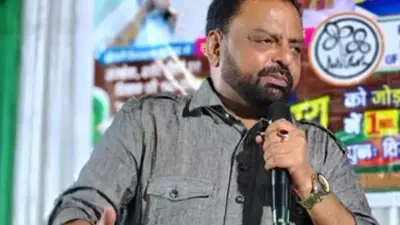
In an era defined by relentless technological advancement, a pressing question emerges for the world of sound and melody: can music as we have known and cherished it survive the race forward? This profound inquiry forms the core of a recent opinion piece by N Raghupathy, published on December 23, 2025.
The Unstoppable March of Innovation
The article, dated 23 December 2025, 20:37 IST, delves into the complex relationship between artistic tradition and digital progress. Raghupathy positions music not merely as entertainment, but as a fundamental cultural artifact now standing at a critical crossroads. The central thesis explores whether the soul of music—its ability to convey raw human emotion and connect generations—can endure the transformative, and sometimes disruptive, force of new technologies.
A Legacy Under Scrutiny
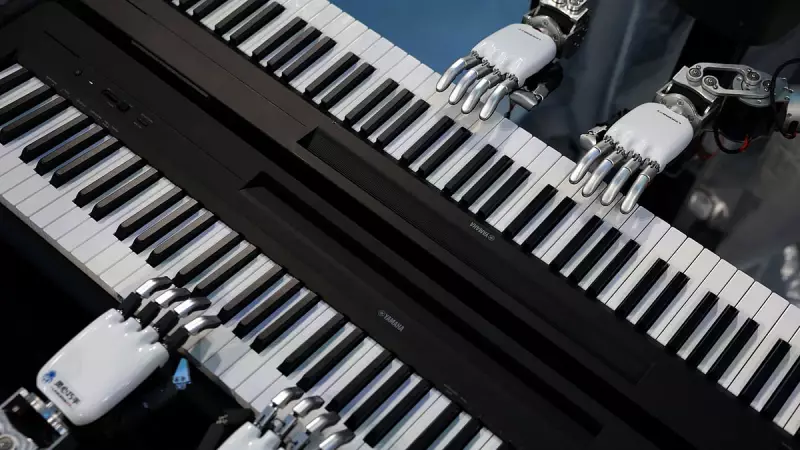
For centuries, music evolved with the tools available, from simple instruments to complex recording studios. However, the current pace of change is unprecedented. The author implicitly questions what might be lost when algorithms can compose, virtual artists perform, and consumption is dictated by streaming data patterns. The core of the debate is not the tools themselves, but the essence of the creative human spirit that drives musical innovation.

Looking Ahead: Adaptation or Obsolescence?
Raghupathy's commentary forces us to consider the future landscape. Will technology act as a liberator, opening new frontiers of sonic possibility, or as a homogenizing force, diluting the unique cultural fingerprints of musical genres? The piece suggests that the answer lies in a delicate balance. The endurance of music may depend on our collective ability to harness technology to amplify human creativity, not replace it, ensuring that the emotional core of the art form remains intact for future generations.
The discussion initiated by N Raghupathy is more than theoretical; it is a vital cultural conversation. As we stand at this intersection, the choices made by creators, industries, and listeners will ultimately determine whether the music of tomorrow retains the authentic heart of the music we know today.