

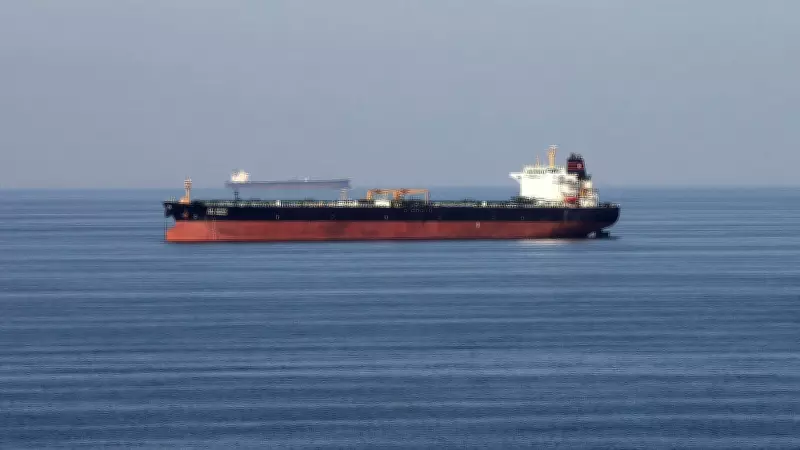
Hundreds of Commercial Ships Drop Anchor in Middle East Gulf Amid Escalating US-Iran Tensions
According to exclusive Reuters estimates based on detailed ship-tracking data from the Marine Traffic platform, a significant concentration of hundreds of commercial vessels, including numerous tankers, has been observed dropping anchor in the open waters of the Middle East Gulf. This maritime clustering is occurring off the coasts of major Gulf oil-producing nations, creating a visible indicator of the escalating geopolitical situation.
Strategic Locations of the Maritime Buildup
The Reuters analysis reveals that these ships are specifically anchored near critical regional players. The waters off Iraq, a nation with substantial oil exports, are seeing this buildup. Similarly, the coasts of Saudi Arabia, the world's leading oil exporter, are affected. Furthermore, the maritime traffic includes areas near Qatar, a global liquefied natural gas (LNG) export giant. This positioning highlights the economic and strategic importance of the region currently under tension.
Context of Escalating US War on Iran
This unprecedented maritime activity is directly linked to the escalating conflict described as the US war on Iran. The Strait of Hormuz, a vital chokepoint for global oil shipments located at the mouth of the Gulf, is a focal point in these tensions. The clustering of ships in open waters, rather than at ports, suggests a precautionary or reactive measure by commercial shipping interests anticipating potential disruptions, blockades, or military actions in these strategically sensitive waterways.

The Marine Traffic data provides a real-time, tangible snapshot of how global trade and logistics are responding to the heightened military and diplomatic standoff. The presence of so many vessels, including essential tankers, underscores the immediate economic risks. Any significant incident in this area could severely impact global energy supplies and shipping lanes, causing immediate price volatility and supply chain disruptions worldwide.
Implications for Global Trade and Security
The situation presents severe implications for international maritime security and the global economy. The Middle East Gulf is a cornerstone of global energy markets, and instability there resonates globally. The decision by hundreds of ship captains and companies to anchor suggests a widespread assessment of increased risk, potentially leading to:
- Delayed shipments of crude oil, refined products, and LNG.
- Increased insurance premiums for vessels transiting the region.
- Rerouting of trade flows, which would increase costs and transit times.
- A tangible military and commercial standoff that could escalate further.
This development, reported on March 1, 2026, marks a significant escalation in the visible manifestations of the US-Iran conflict, moving it squarely into the domain of international commerce and sea lane security. The world will be watching closely as the situation develops, with the anchored ships serving as a stark barometer of regional stability.






