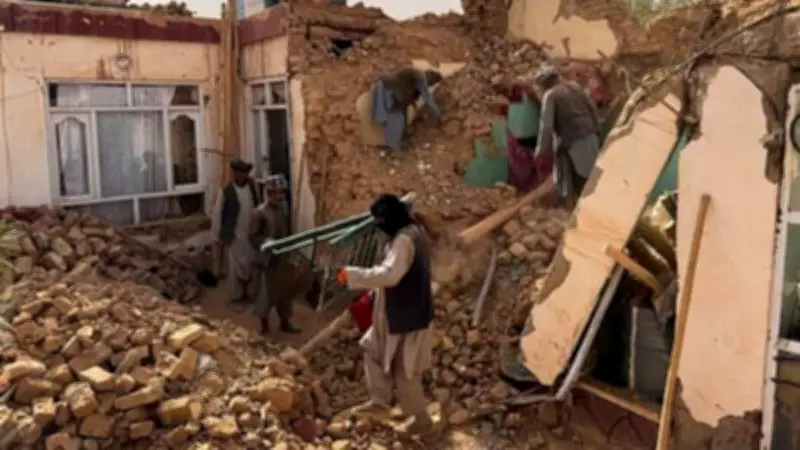
Pakistan-Afghan Forces Exchange Fire After Airstrikes Deepen Tensions
In a significant escalation of hostilities, Pakistani and Afghan forces engaged in a cross-border exchange of fire on Monday, following a series of airstrikes by Pakistan that targeted alleged militant hideouts in Afghan territory. This incident marks a deepening of tensions between the two neighboring nations, which have long grappled with accusations and counter-accusations regarding the harboring of militant groups along their porous border.
Details of the Airstrikes and Subsequent Clash
According to reports, the Pakistani military conducted airstrikes in the eastern Afghan provinces of Khost and Paktika, areas that Islamabad claims are used as sanctuaries by the Tehreek-e-Taliban Pakistan (TTP) and other militant factions. The airstrikes reportedly resulted in casualties, though exact figures remain unconfirmed by independent sources. In response, Afghan forces retaliated with artillery fire, leading to a direct confrontation between the two militaries.
The exchange of fire lasted for several hours, with both sides accusing each other of violating territorial sovereignty. Afghan officials condemned the airstrikes as an "unprovoked aggression" and a breach of international law, while Pakistani authorities defended the action as necessary for national security, citing repeated cross-border attacks by militants based in Afghanistan.

Background of Rising Tensions
Tensions between Pakistan and Afghanistan have been simmering for years, primarily over the issue of militant groups operating along the 2,600-kilometer Durand Line border. Pakistan has consistently accused the Afghan Taliban government of providing safe havens to the TTP, which has carried out numerous attacks inside Pakistan. Conversely, Afghanistan has criticized Pakistan for its alleged support of certain militant factions and for conducting unilateral military operations on Afghan soil.
This latest incident comes amid a broader regional context of instability, with both countries facing internal security challenges and economic pressures. The clash underscores the fragile nature of their bilateral relations, which have been strained since the Taliban's return to power in Afghanistan in 2021.
Regional and International Implications
The escalation has raised concerns among regional stakeholders and the international community about the potential for a wider conflict. Key players, including China, Iran, and the United States, have urged restraint and dialogue to prevent further deterioration. The United Nations has also called for de-escalation, emphasizing the need for peaceful resolution through diplomatic channels.
Experts warn that continued hostilities could destabilize the entire region, impacting trade routes, refugee flows, and counter-terrorism efforts. The situation is particularly sensitive given Afghanistan's ongoing humanitarian crisis and Pakistan's economic struggles, which could be exacerbated by prolonged military engagements.
Future Outlook and Diplomatic Efforts
In the aftermath of the clash, both sides have signaled a willingness to engage in talks, though with preconditions. Pakistan has demanded that Afghanistan take concrete steps to curb militant activities, while Afghanistan insists on respect for its sovereignty. Diplomatic efforts are underway, with intermediaries from neighboring countries attempting to mediate.
However, the path to reconciliation remains uncertain, as deep-seated mistrust and historical grievances continue to fuel the conflict. Observers stress that a sustainable solution will require not only military de-escalation but also comprehensive political and economic cooperation between the two nations.
Key Points:

- Pakistani airstrikes targeted alleged militant hideouts in Afghan provinces of Khost and Paktika.
- Afghan forces retaliated with artillery fire, leading to a cross-border exchange.
- Both sides accuse each other of violating sovereignty and harboring militants.
- Tensions have been high since the Taliban's return to power in Afghanistan.
- Regional and international actors are calling for restraint and dialogue.
The incident highlights the urgent need for enhanced border management and cooperative security measures to prevent future escalations and foster stability in South Asia.