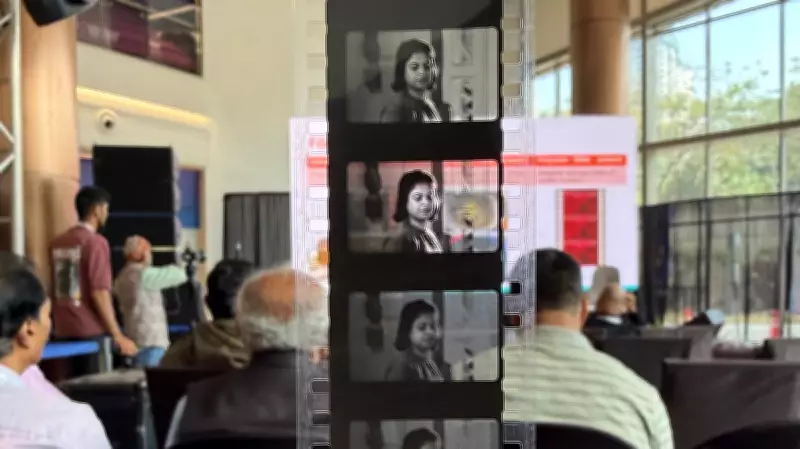
Film Archivist Advocates for Kannada Cinema Preservation at Chalanachitra Academy
In a compelling address that resonated with cinema enthusiasts and preservationists alike, renowned archivist Aparna Subramanian has issued a passionate plea to the Chalanachitra Academy, urging the institution to take immediate and decisive action in restoring and preserving Kannada films. Speaking at a recent event in Bengaluru, Subramanian highlighted the cultural and historical significance of these cinematic works, emphasizing that their deterioration poses a severe threat to Karnataka's rich film heritage.
The Critical Importance of Archiving Regional Cinema
Subramanian's presentation delved deep into the multifaceted importance of archiving films, particularly those in regional languages like Kannada. She explained that films are not merely entertainment but are vital historical documents that capture societal norms, artistic expressions, and technological advancements of their time. Without proper preservation, she warned, future generations risk losing access to this invaluable cultural legacy, which could lead to a fragmented understanding of South India's cinematic evolution.
A Step-by-Step Guide to Film Restoration and Digitization
During her engaging talk, Subramanian meticulously guided the audience through the intricate process of film restoration, which involves several key stages:

- Assessment and Cleaning: Each film reel is carefully inspected for physical damage, such as tears, scratches, or chemical decay. Specialized cleaning techniques are employed to remove dust, mold, and other contaminants that can accelerate deterioration.
- Restoration: Skilled technicians work to repair damaged frames, often using digital tools to correct color fading, stabilize shaky footage, and remove audio distortions. This phase requires a delicate balance between preserving the original artistic intent and enhancing viewability.
- Digitization: The restored film is converted into high-resolution digital formats. This step is crucial for long-term preservation, as digital files are less susceptible to physical degradation and can be easily duplicated and stored in multiple secure locations.
- Preservation and Storage: The final digital copies are archived in climate-controlled environments with strict access protocols. Subramanian emphasized the need for ongoing maintenance to ensure data integrity over decades, including regular checks and format migrations as technology evolves.
Challenges and Opportunities in Kannada Film Preservation
Subramanian pointed out that while the technical processes are well-established, the restoration of Kannada films faces unique challenges. Many older films are stored in inadequate conditions, leading to irreversible damage. Additionally, funding and institutional support are often limited, making large-scale projects difficult to initiate. However, she expressed optimism, noting that increased public awareness and collaborations between organizations like the Chalanachitra Academy and international archives could pave the way for successful restoration efforts.
Her call to action was clear: the Chalanachitra Academy must prioritize Kannada film restoration as part of its mandate to promote and protect regional cinema. By investing in these initiatives, the academy can not only safeguard Karnataka's film history but also make these classics accessible to new audiences through screenings, educational programs, and digital platforms.