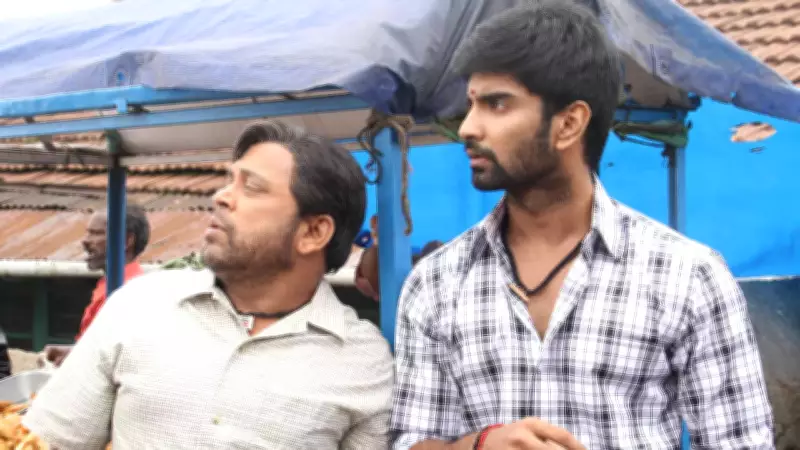
In a significant cinematic venture, actor Atharvaa delivers an extended cameo performance as a revolutionary hero named Kaali in the upcoming film Address, directed by filmmaker Rajamohan. The director expresses high hopes for the project, stating, "I believe Address will give me an address," highlighting his aspirations for recognition through this compelling narrative.
Inspired by a Forgotten Historical Episode
Rajamohan reveals that Address draws inspiration from a little-known episode in post-Independence India, shedding light on a unique and prolonged struggle. The film centers on a village located on the Tamil Nadu–Kerala border, which faced an extraordinary predicament. When state boundaries were reorganized based on linguistic lines in 1956, this village found itself excluded from both states, leading to decades of uncertainty and hardship.
The director emphasizes the historical depth of the story, noting, "Their struggle went on till 2016!" This sixty-year saga forms the emotional core of the film, blending real events with fictional elements to create a powerful cinematic experience. Rajamohan shares that the narrative weaves together factual accounts with creative storytelling to engage audiences while honoring the village's resilience.

Star-Studded Cast and Complex Narrative Structure
Alongside Atharvaa's pivotal role, the film features actress Pooja Jhaveri as the female lead, bringing depth to the character-driven plot. Esakki Barath portrays a boy from North Madras, adding another layer to the diverse cast. A key element in the film's structure is actor Thambi Ramiah, whom Rajamohan describes as "the knot that connects different timelines of the film." This suggests a non-linear narrative that intertwines past and present to explore the village's enduring plight.
Logistical Challenges During Production
The filming process for Address presented significant logistical hurdles, as Rajamohan details the tough conditions faced by the crew. "We had to travel eight kilometres to a village called Vellagavi from Kodaikanal," he explains, highlighting the remote location. The area's isolation was so pronounced that there still isn't a bus service available, forcing the team to set up tents for accommodation during shoots.
These challenges underscore the dedication required to bring this story to life, mirroring the perseverance depicted in the film itself. The director's commitment to authenticity led him to shoot in actual border regions, capturing the raw essence of the landscape and its people.
A Personal Connection for the Director
For Rajamohan, this project holds profound personal significance, rooted in his own background. "I'm from the Kanniyakumari border, and people who live there face such problems regularly," he shares, indicating that the film's themes resonate deeply with his experiences. This personal connection likely fuels the film's emotional authenticity and attention to detail, as Rajamohan aims to portray borderland realities with sensitivity and accuracy.
Through Address, Rajamohan not only explores a specific historical struggle but also touches on broader issues of identity, governance, and community resilience in India's border regions. The film promises to be a thought-provoking addition to contemporary cinema, blending entertainment with social commentary.