

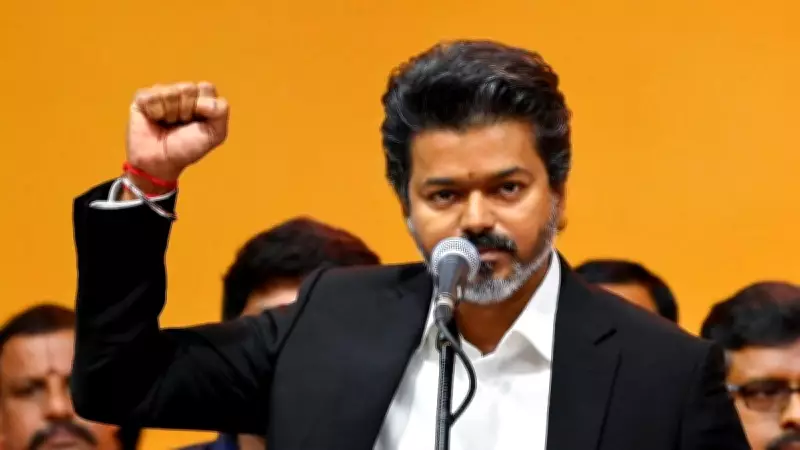
The intricate relationship between cinema and politics in South India has a long and storied history, with its foundations laid in the mid-20th century by iconic figures such as M. Karunanidhi, M. G. Ramachandran (MGR), and N. T. Rama Rao (NTR). These pioneers not only dominated the silver screen but also left an indelible mark on the political landscape of Tamil Nadu and Andhra Pradesh.
The Legacy of MGR and NTR
MGR, a legendary actor-turned-politician, leveraged his immense popularity to become the Chief Minister of Tamil Nadu. His films often portrayed him as a savior of the poor, a persona that translated seamlessly into his political career. Similarly, NTR, known for his mythological and social dramas, founded the Telugu Desam Party and reshaped Andhra Pradesh politics. Their success set a precedent for future generations.
Karunanidhi: The Writer-Politician
M. Karunanidhi, a prolific screenwriter and former Chief Minister, used cinema as a platform to propagate Dravidian ideologies. His dialogues and stories resonated with the masses, reinforcing the cultural and political identity of Tamil Nadu. This blend of art and governance became a hallmark of the region.

Modern-Day Influences
In recent years, actors like Vijay have followed in these footsteps. Vijay's political entry has been widely anticipated, and his fan base has been mobilized for electoral campaigns. Other stars such as Rajinikanth and Kamal Haasan have also dabbled in politics, though with varying degrees of success. The trend underscores how cinema remains a powerful tool for political messaging and mass mobilization.
The Role of Star Power
Star power in South India often translates into political capital. Actors are seen as relatable and trustworthy, allowing them to connect with voters on an emotional level. This phenomenon is not limited to Tamil Nadu and Andhra Pradesh; it extends to Karnataka and Kerala, where film personalities have contested elections and held public office.
Challenges and Criticisms
However, the intertwining of cinema and politics is not without its critics. Some argue that it promotes personality cults over substantive policy debates. Others point to the risk of populism overshadowing governance. Despite these concerns, the trend shows no signs of waning, as new generations of actors continue to enter the political arena.
In conclusion, cinema continues to shape South Indian politics by providing a platform for charismatic leaders to emerge and connect with the electorate. From MGR and NTR to contemporary stars like Vijay, the legacy of cinematic influence remains a defining feature of the region's political culture.

