

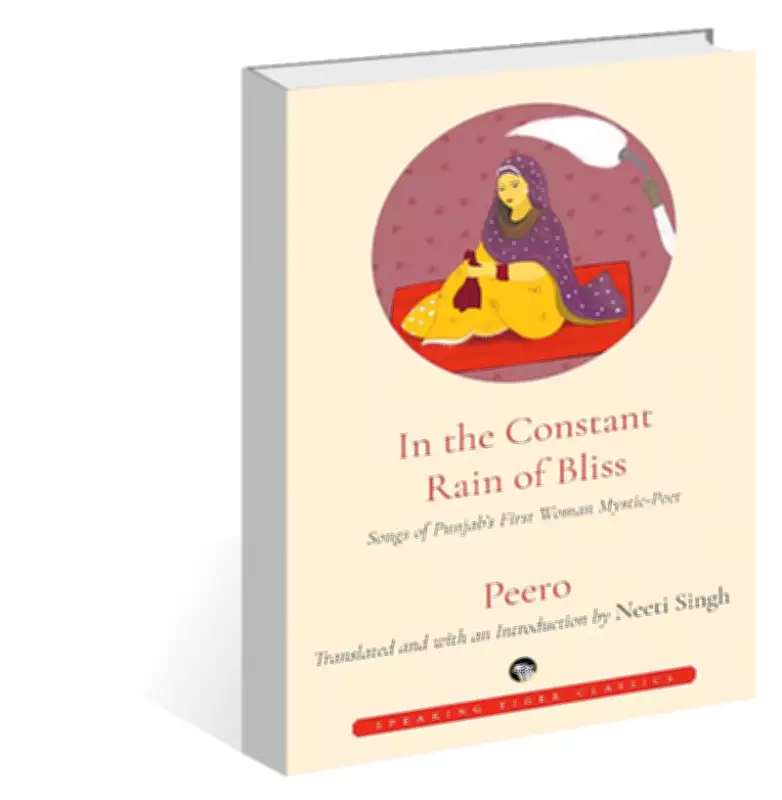
Neeti Singh's latest book, In the Constant Rain of Bliss, brings to light the extraordinary life and works of Peero, a 19th-century Sufi poetess from Punjab. Peero, born in 1830, defied societal conventions by leaving her home to become a disciple of the Sufi saint Sain Bulleh Shah. Her poetry, written in Punjabi, is a blend of spiritual ecstasy and social critique, challenging patriarchal norms and religious orthodoxy.
Peero's Defiance and Spirituality
Peero's life was marked by rebellion. She abandoned her family and caste privileges to embrace a life of spiritual seeking. Her verses often speak of divine love and the dissolution of the self, echoing the themes of her mentor Bulleh Shah. However, she also used her poetry to question gender roles and the hypocrisy of religious leaders. Singh's book delves into these aspects, presenting Peero not just as a mystic but as a feminist icon ahead of her time.
Literary and Historical Significance
The book provides a comprehensive analysis of Peero's poetry, contextualizing it within the Sufi tradition and the socio-political landscape of 19th-century Punjab. Singh examines the linguistic nuances of Peero's Punjabi, her use of metaphor, and the oral traditions that preserved her work. The author argues that Peero's poetry remains relevant today as a voice of resistance and spiritual liberation.

Structure of the Book
In the Constant Rain of Bliss is divided into several sections. The first part offers a biographical sketch of Peero, piecing together historical records and folklore. The second part presents translations of Peero's poems, with detailed commentary. The final section explores the legacy of Peero and her influence on contemporary Sufi poetry and feminist thought.
Critical Reception
Early reviews have praised Singh's meticulous research and accessible writing style. The book has been hailed as a crucial contribution to the study of women in Sufism and Punjabi literature. It fills a significant gap in academic discourse, bringing attention to a poetess who has long been overshadowed by her male counterparts.
In conclusion, In the Constant Rain of Bliss is a compelling read for anyone interested in Sufi poetry, women's history, or the cultural heritage of Punjab. Neeti Singh's work ensures that Peero's defiant spirit and lyrical genius continue to inspire future generations.

