Kolkata Filmmaker's Blocked Documentary Sparks Interest Amid Bangladesh Political Transition
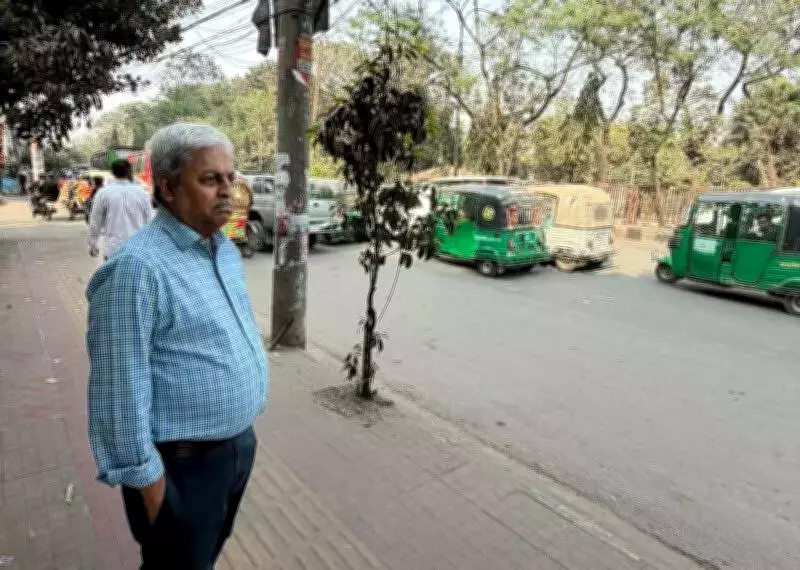
Soumitra Dastidar, a city-based filmmaker from Kolkata, has recently traveled to Dhaka, Bangladesh, to observe the swearing-in ceremony of Tarique Rahman, a significant political figure. This visit comes in the wake of his documentary, '36 July: States Versus People', being rendered unavailable in India due to an order from the government, citing reasons related to national security or public order.
Documentary Blocked in India: A Filmmaker's Perspective
Dastidar's documentary, which premiered in Bangladesh last August, delves into the recent turmoil and political unrest in the country. The filmmaker expressed that his presence in Dhaka was crucial to document the transition from protest and uncertainty to a new administration. "Bangladesh is a country that was on the boil for a long time," Dastidar stated, emphasizing the nation's history of violence and resilience.
He highlighted the importance of Tarique Rahman's victory, describing it as not merely an electoral outcome but a pivotal turning point in a tense political period. "If he did not win with this thundering majority, I do not know the turn this nation would have taken," Dastidar remarked, underscoring the significance of the political shift.

Rejecting Political Labels and Seeking Unheard Voices
In an interview from Dhaka, Dastidar firmly rejected any attempts to categorize him as a supporter of the Bangladesh Nationalist Party (BNP). "It would not be fair to brand me as a supporter of BNP, though. I am an independent documentary filmmaker who closely tracked what happened in the country," he asserted.
As a student of social science, Dastidar felt compelled to explore narratives about Bangladesh that he believed were underpublicized. His documentary aims to record the views of people who have often remained unheard. "The history of Bangladesh needs to be revisited to see things in proper perspective. There is no reason for being in denial of that," he explained, expressing regret over the documentary's blockage in India.
Observing Public Mood and Political Figures in Dhaka
During his visit, Dastidar noted a noticeable shift in the public mood compared to his previous trip last year. "This year, the mood is more relaxed. I spoke to people from all strata. They are hopeful of development," he observed, indicating a sense of optimism among Bangladeshis.
He described Tarique Rahman as "soft-spoken" and noted his ability to connect with children and youth. Additionally, Dastidar mentioned the popularity of Zaima Rahman, a barrister and Rahman's daughter. While he has not yet met Tarique Rahman, he expressed hope for a meeting during his visit, based on reports that Rahman has watched his films.
Looking ahead, Dastidar speculated on the potential for improved relations between India and Bangladesh under Rahman's regime. "Though it is too early, I feel the relationship with India will improve under his regime," he said, highlighting the broader implications of the political change.
Background on the Filmmaker and Broader Context
Soumitra Dastidar's work focuses on documenting social and political narratives, with this documentary serving as a key example of his commitment to uncovering untold stories. The blockage of his film in India raises questions about media freedom and cross-border content restrictions, adding a layer of complexity to his observations in Bangladesh.
This story intersects with broader themes in South Asian politics, where documentary filmmaking can play a crucial role in shaping public understanding and discourse. Dastidar's journey from Kolkata to Dhaka underscores the interconnectedness of regional events and the importance of independent journalism in capturing historical moments.