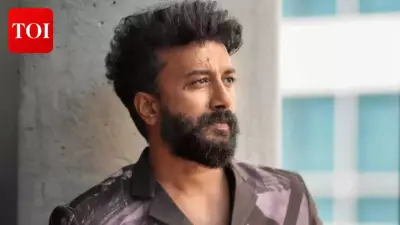
The passing of veteran writer-actor Sreenivasan on December 21, 2025, has prompted a deep reflection on his unique contribution to Indian cinema. More than just a prolific artist, Sreenivasan taught Malayalam cinema how to laugh at itself, using humour as a precise tool to dissect the hypocrisies of the educated Malayali middle class.
The Mirror to Middle-Class Life
When Sreenivasan emerged as a major screenwriter in the mid-1980s, he brought a revolutionary sensibility. He shifted focus from grand tragedies and moral certainties to the immediate, often frustrating realities of middle-class existence. His stories were not about epic loss but about systemic stall, not about longing but about daily irritation. Films like Doore Doore Oru Koodu Koottam (1986), Sanmanassullavarkku Samadhanam (1986), and T P Balagopalan M A (1986) directly tackled the anxieties surrounding education, unemployment, marriage, and social legitimacy.
His protagonists were a departure from traditional heroes. They were flawed, often failing men. Dasan and Vijayan in Nadodikkattu (1987) were unemployed graduates surviving on bluff and luck. The jealousy-consumed husband in Vadakkunokkiyantram (1989) could not cope with his own ordinariness. In Thalayanamanthram (1990), consumerism eroded a marriage. Sreenivasan normalized failure as a valid state of being, allowing audiences to see their own unvarnished selves on screen without shame.

Satire Beyond Slogans: The Sandesam Example
Perhaps no single line encapsulates his genius better than the iconic "Polandine patti nee oraksharam mindaruthu" from Sandesam (1991). This lunch-table argument between ideologically opposed brothers, played by Sreenivasan and others, brilliantly exposed how politics, when reduced to identity and performance, drains everyday life. The brothers' command over global political references impresses their father but exhausts their mother, who bears the burden of their performative convictions.
Critics often labelled such work as apolitical. However, Sreenivasan was not mocking political engagement itself. Through the contrast with the quiet, diligent agriculture officer Udayabhanu in the same film, he critiqued how ideology often replaces responsibility. The target was not belief, but obsession; not politics, but the spectacle of politics that allowed men to avoid meaningful work. His scepticism was a distrust of the idea that ideology alone could fix lived dysfunction.
A Linguistic Legacy and Lasting Impact
Sreenivasan's dialogues have outlived his films, entering the cultural lexicon of Kerala. Lines from his movies are used as shorthand in everyday conversation, memes, and social media forwards. Thalathil Dineshan became the archetype of fragile masculinity long before such terms were common. His later works, like Udayananu Tharam (2005), turned the satirical gaze inward on the film industry's hunger for fame and mediocrity. Even in Njan Prakashan (2018), he showed a society still rewarding appearance over genuine effort.
While his worldview was often critiqued for being middle-class and male, with female characters frequently serving as moral anchors, this does not diminish his foundational impact. He used humour with rare intelligence to hold up a mirror. He trusted audiences to recognise themselves in flawed characters and broken systems. Sreenivasan's enduring gift to Malayalam cinema is the courage to be ordinary and to find humour in our shared miseries without surrendering hope.