In a significant shift reflecting evolving media consumption, brands targeting young audiences are actively moving their advertising budgets away from television and towards digital platforms. This strategic pivot is a direct response to the steady erosion of viewership for English-language, urban-centric, and niche TV channels, which once served as cultural hubs for youth marketing.
The Decline of a Cultural Stage
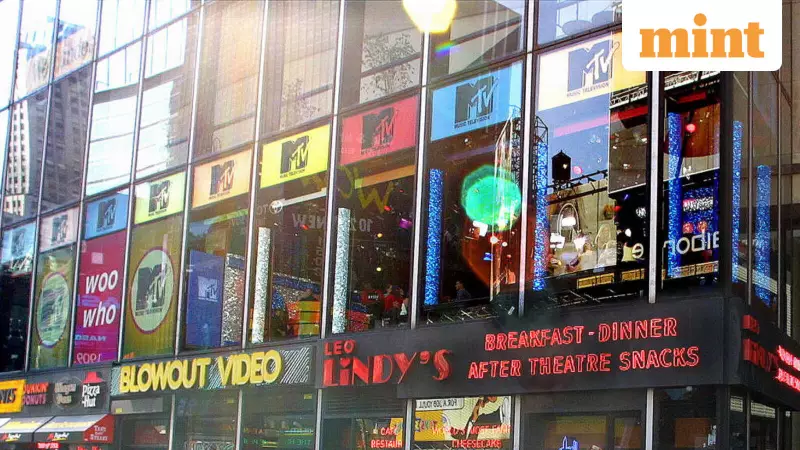
The closure of dedicated music channels like MTV in several global markets this year underscores a broader trend. In India, networks such as MTV had already diversified into youth-driven urban programming and live experiences, moving away from pure music. However, the viewership decline for these premium categories has forced a fundamental reassessment of media plans. According to industry estimates, English-language channels accounted for a mere 3-5% of the overall television advertising expenditure. Their unique value, however, lay not in volume but in delivering access to affluent, metro-based, and youth-skewed audiences that were difficult to reach through other mass media.
Vishal Agrahari, Vice-President of Paid Media at digital marketing agency BC Web Wise, explained the consequence. "The closure of such channels marks the loss of a ready-made cultural stage for youth marketing," he said. Brands that once leveraged MTV's ecosystem of reality shows, music properties, and campus events to build relevance are now redirecting those funds to digital-first platforms.

Digital Platforms Take Center Stage
The new marketing playbook is distinctly digital. Instead of large linear TV sponsorships, the focus has sharply shifted to creator collaborations, short-form video storytelling, and influencer-led activations. These tactics aim for more targeted, albeit fragmented, engagement. Rupali Chavan, Senior Vice-President and Head of Business at media agency Mudramax, confirmed this transition. Brands previously present on youth TV networks are now investing heavily in OTT services, YouTube, and short-video platforms where youth engagement is measurably stronger.
"The focus has shifted from broad reach to genuine connections," Chavan noted, highlighting the use of creators, connected TV ads, and interactive content over traditional TV spots. This mirrors observations from industry veterans like Anshul Ailawadi, former business head for youth and music at Viacom18, who pointed out that digital has compensated for the impact on linear TV. He emphasized the challenge of capturing the fragmented attention spans of young South Asians and the necessity of remaining consumer-focused.
Navigating the New Economic Reality
While digital traction is undeniable, monetization presents fresh challenges. Vishal Prabhu, Creative Director-Strategy at White Rivers Media, outlined the shift from appointment viewing to algorithmic discovery. "Loyalty must be built show by show and creator by creator," he stated. He added that premium English content still lags behind mass entertainment in both advertising CPMs (Cost Per Mille) and subscription appeal, pushing producers towards hybrid revenue models.
These models include connected TV (CTV) campaigns funded by brands, creator cross-overs, international licensing, and live-event integrations. Munish Vaid, Vice-President at Primus Partners, provided a commercial perspective. While acknowledging the cultural loss of trend-curating youth channels, he stressed that ad dollars quickly follow the audience to social media, YouTube, OTT, and targeted digital campaigns.
Vaid highlighted a key economic gap: "Good English-language content can find viewers on OTT, but the economics are different." He explained that a successful show might gain critical acclaim but struggle to recoup costs without multi-territory licensing or substantial ad revenue. The per-viewer average revenue on Indian OTT platforms remains lower than what a high-CPM linear TV slot once commanded. Practical hurdles like content discoverability, the need for localization via dubbing or subtitles, and a smaller advertiser pool for premium English shows further complicate the landscape.

In conclusion, the migration of youth brands from TV to digital is a definitive market response to changing consumption. The gap left by premium English TV as a brand-building environment is being filled by a more complex, fragmented, and creator-driven digital ecosystem where engagement is paramount, but sustainable monetization requires innovation and multiple revenue streams.