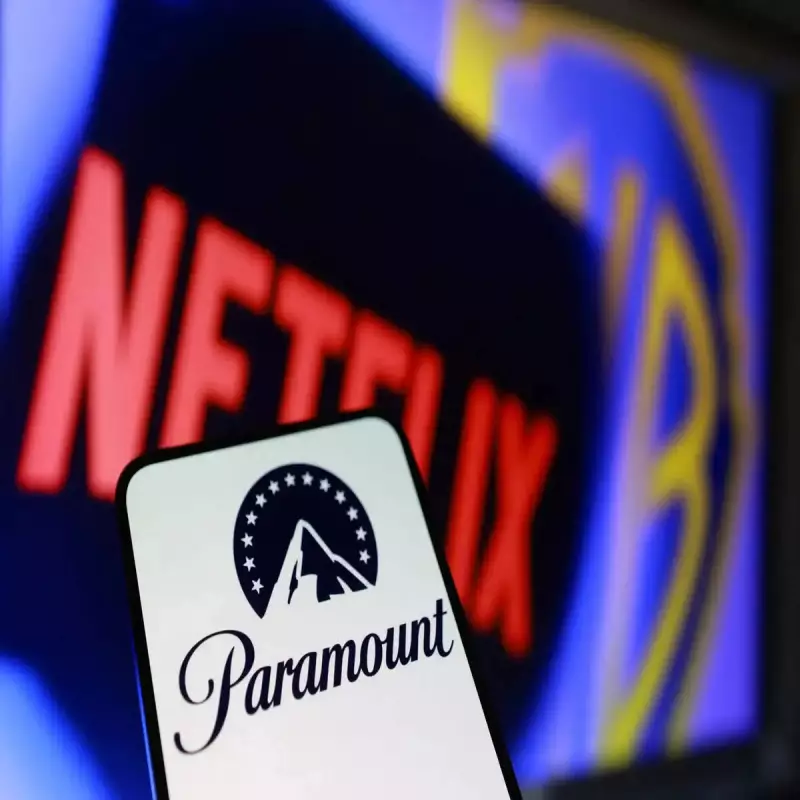
In a significant development in the high-stakes streaming and entertainment industry, Netflix co-CEO Greg Peters has firmly rejected Paramount Skydance's $108 billion hostile bid for Warner Bros. Discovery (WBD), labeling the proposal as unrealistic and financially unsound. Peters emphasized that the bid lacks credibility without the substantial financial backing of Oracle founder Larry Ellison, casting doubts on its viability.
Financial Feasibility Under Scrutiny
During an exclusive interview with the Financial Times, Peters criticized Paramount's approach, stating that the offer 'doesn't pass the sniff test' due to its heavy reliance on debt and external support. He contrasted this with Netflix's revised $82.7 billion all-cash offer, which he argued presents a far more stable and secure alternative for stakeholders. "That additional leverage required for Paramount's bid is pretty crazy," Peters remarked, underscoring the financial risks involved.
Shareholder Dynamics and Market Response
Following the rejection by WBD's board, Paramount has taken its proposal directly to shareholders in an attempt to bypass corporate resistance. However, early regulatory filings reveal that Paramount has secured only about 7% of WBD shares, a figure far short of the majority needed to gain control. Analysts note that Netflix's cash-backed proposal is gaining stronger traction among investors, who are increasingly wary of debt-heavy deals in the current economic climate.

Hollywood Transformation and Industry Concerns
A potential merger between Netflix and Warner Bros. Discovery would dramatically reshape the Hollywood landscape, combining iconic franchises such as Game of Thrones and Harry Potter with Netflix originals like Stranger Things and Squid Game. This consolidation has sparked concerns among filmmakers, unions, and theater owners about Netflix's expanding influence over theatrical releases and content distribution.
In response to these fears, Peters sought to reassure the industry by pledging that Netflix would honor Warner Bros.' traditional 45-day theatrical window, a move aimed at preserving cinema culture. Despite this assurance, regulators in both the United States and Europe are expected to scrutinize the deal closely, given its sweeping implications for market competition and consumer choice in the entertainment sector.
Broader Competitive Landscape
Peters emphasized that Netflix's competition extends far beyond traditional studios, pointing to tech giants like YouTube (under Alphabet Inc.), Amazon.com Inc., and Apple Inc. as key rivals in the streaming and entertainment space. He highlighted that Netflix accounts for less than 10% of TV viewing hours in most global markets, underscoring the fragmented and highly competitive nature of media consumption today.
This ongoing battle for dominance highlights the rapid evolution of the entertainment industry, where streaming services, tech companies, and legacy studios are vying for audience attention and market share. The outcome of these negotiations could set a precedent for future mergers and acquisitions in the sector.