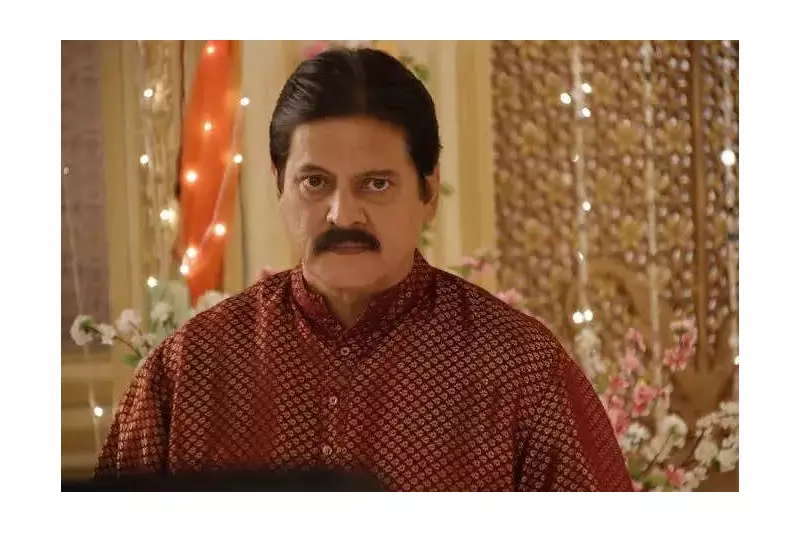
Prakash Ramchandani, last seen in the television series Gehna: Zewar Ya Zanjeer, has dedicated more than two decades to the television industry, amassing an impressive portfolio of over 100 shows. His notable works include popular series such as Udann, Shakti – Astitva Ke Ehsaas Ki, Devanshi, Choti Sarrdaarni, and Mera Balam Thanedaar. Having closely observed the evolution of the medium, the actor offers a critical perspective on its current state, highlighting a significant paradox.
Financial Growth vs. Creative Weakening
Prakash Ramchandani believes that while television has experienced substantial financial growth over the years, its creative foundation has notably weakened. He points out that the revenue flow in the industry today is far greater than it was two decades ago, yet this economic progress has not translated into improved content quality. According to him, most contemporary shows lack a clear or consistent storyline, which undermines their narrative integrity.
The Problem with Storytelling and TRP Influence
Sharing his insights on the frequent shutdown of shows, Prakash attributes the issue primarily to flawed storytelling. He explains that narratives are often altered impulsively based on TRP ratings, leading to inconsistent plot tracks and poorly justified character arcs. "Stories are constantly changed to chase ratings, resulting in a lack of coherence and depth," he says. This approach, he argues, disrupts the organic development of stories and alienates the audience over time.

Excessive Creative Interference
A major factor contributing to this decline, as per Prakash, is the excessive involvement of too many individuals in the creative and direction departments. He uses the adage "too many cooks spoil the broth" to illustrate how this overcrowding stifles creative freedom. Writers, in particular, are left with limited autonomy to craft stories naturally, which eventually leads to audience disconnection and poor reception, forcing shows to end prematurely.
Casting Concerns and Social Media Prioritization
Prakash also raises concerns about changes in casting practices within the television industry. He notes that casting decisions today often prioritize social media following, especially when channel creatives lack hands-on experience in television. "This trend has adversely affected seasoned actors who may not be active online, but more importantly, it has compromised the overall quality of productions," he states. He adds that actors with a strong online presence but limited understanding of acting or the television medium are frequently cast, leading to poorly received or unsuccessful shows.
OTT Platforms: A Creative Haven
In contrast to his critique of television, Prakash finds the OTT (Over-The-Top) space far more fulfilling creatively. He expresses enthusiasm for working in OTT due to the greater creative freedom and sensibility it offers. "OTT platforms allow for diverse storytelling without the traditional constraints of television, connecting with a wider, global audience," he explains. He believes that OTT gives creators the space to tell stories honestly and authentically, redefining storytelling as viewing habits evolve and technology advances. In his view, OTT represents the future of entertainment, offering a more dynamic and innovative approach compared to the stagnating creative environment in television.