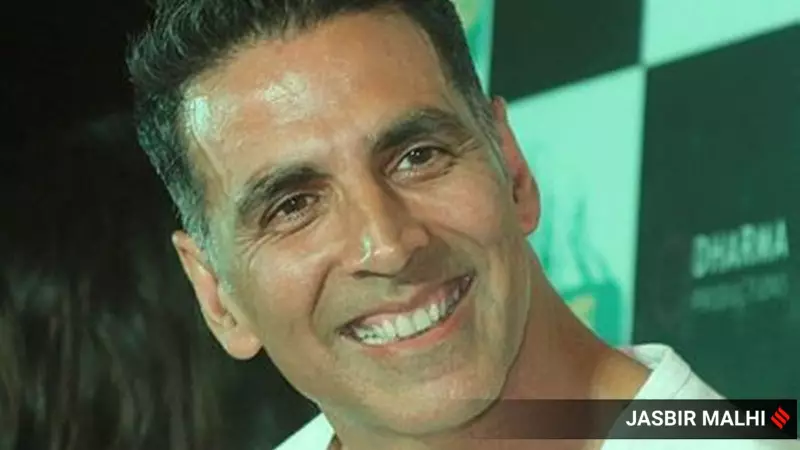
In a heartfelt revelation, Bollywood superstar Akshay Kumar has shared a poignant reflection on a middle-class habit he deeply misses from his earlier life. During a 2025 interaction with Pinkvilla, Kumar candidly admitted that while he is not fond of eating out, he profoundly misses his daily routine of going to the beach for workouts.
Akshay Kumar's Candid Confession on Missing Simple Pleasures
Akshay Kumar expressed, "I don't like eating out. I miss going to the beach. I used to go every day. I used to work out there. Now I can't. I go to the gym now. So, I miss that." This statement highlights a common sentiment among many individuals who, as life evolves, find themselves longing for the simplicity of past habits that once brought joy and balance.
Why People Miss Simple Routines: A Psychological Perspective
Taking a cue from Kumar's confession, it's essential to delve into the deeper psychological reasons behind this longing. According to Delnna Rrajesh, a psychotherapist and life coach, people do not miss simplicity merely out of nostalgia. Instead, they miss it because simple routines once played a crucial role in regulating their nervous system in ways that success and modern conveniences often cannot replicate.

Delnna explained, "In earlier phases of life, especially in middle-class or grounded environments, daily habits are woven naturally into living. Walking instead of driving, being outdoors instead of enclosed, movement without performance, time without constant monitoring — these are not just lifestyle choices, they are regulatory practices. They keep the body anchored, the mind quieter, and the sense of self more intact."
The Loss of Organic Regulators in Modern Life
As life becomes more structured, protected, or elevated, many of these organic regulators tend to disappear. While security and privacy may increase, spontaneity and freedom of movement often decrease. Convenience rises, but connection with nature, rhythm, and the body frequently diminishes.
Delnna emphasized, "What people miss is not the habit itself, but how that habit made them feel internally. Simple pleasures often carry three powerful psychological functions." She outlined these functions as follows:
- Allowing the Body to Be in Charge: Activities like walking by the sea or exercising outdoors enable the body to move freely without the pressure of performance or productivity metrics. There is no audience or outcome to prove, fostering a sense of autonomy.
- Creating Continuity of Identity: Simple habits anchor identity by reminding individuals of who they were before external expectations and roles fragmented their sense of self. During simpler times, the gap between who they were and how they lived was minimal.
- Providing Emotional Neutrality: Simple pleasures are not high-stimulation activities; they soothe rather than spike dopamine dramatically. This familiarity is craved during stress, as the nervous system often seeks calm over excitement.
Understanding the Grief for Lost Regulation
This longing for simple habits is not a sign of ingratitude but rather a form of grief for the lost regulation that once provided stability and well-being. Delnna noted that as roles and public identity expand, individuals can feel fragmented, making these anchors from the past even more precious.
In conclusion, Akshay Kumar's reflection on missing his beach workouts resonates with a broader human experience. It underscores the importance of preserving simple, personal rituals in an increasingly complex world to maintain mental health and a grounded sense of self.