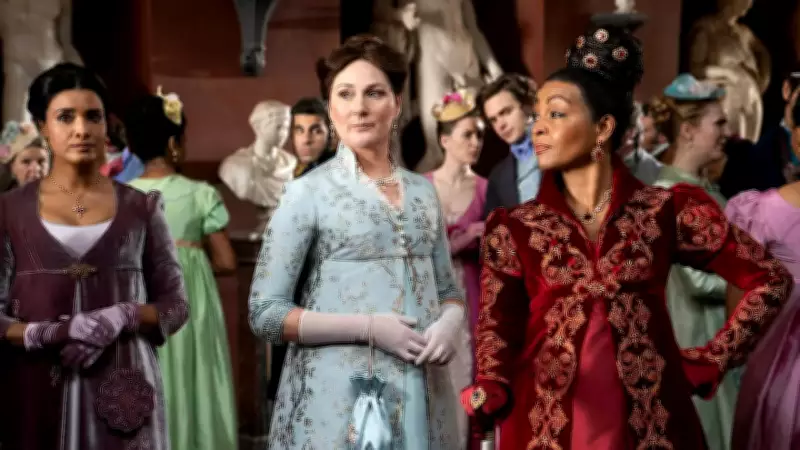
Bridgerton's Fashion Revolution: Costumes That Captured Hearts and Trends
In the world of television, few shows have made as profound an impact on fashion as Bridgerton. While it stands as a smash hit in the Regency-period drama genre, its true magic lies beyond the storyline—in the exquisite costumes that have taken social media by storm. These designs have not only dominated Instagram feeds but also inspired wedding dress collections and transformed each episode into a masterclass in style. Every character's wardrobe serves as a visual narrative, revealing their personality, social status, and hidden emotions. With pastel hues, dramatic silhouettes, and fearless color choices, the show invites viewers to dream of raiding its fictional closets.
The Visionary Behind the Magic: Ellen Mirojnick
The Emmy-winning costume designer, Ellen Mirojnick, deserves immense praise for this fashion phenomenon. Rather than adhering strictly to historical accuracy, she infused the costumes with bright colors, lush fabrics, and playful details that brought each scene to life. Her creations go beyond mere period authenticity; they delve into character psychology, showcasing motivations and secrets. From silk gowns to intricate embroidery and unforgettable capes, Mirojnick's vision elevated Bridgerton from a typical period piece to a global fashion trendsetter.
Seven Unforgettable Style Moments That Redefined Fashion
Let's delve into seven key instances where the show's style not only changed the game but also cemented these characters as fashion icons.

Daphne Bridgerton: The Epitome of Elegance
Portrayed by Phoebe Dynevor, Daphne's style sets the tone from the outset. She embodies soft pastels, empire waists, dreamy ribbons, and delicate beaded gowns. Her wardrobe evolves alongside her character arc, transitioning from fresh innocence to poised maturity. That iconic beaded dress from Season 1 remains a cultural touchstone, inspiring replicas at weddings and proms worldwide. Daphne's look masterfully blends classic elegance with a youthful vibrancy.
Queen Charlotte: A Regal Statement of Power
Golda Rosheuvel's Queen Charlotte commands attention with every entrance. Her costumes are pure theatrical drama—featuring massive gowns, towering wigs, feathers, jewels, and bold colors that demand notice. Each outfit is a strategic power move, rewriting fashion history with every show-stopping ensemble. She transcends historical constraints to create a larger-than-life presence.
Anthony Bridgerton: Sharp and Sophisticated
Jonathan Bailey's Anthony exudes authority through his tailored waistcoats, velvet jackets, and crisp cravats. As the family patriarch, his style reflects his leadership and confidence. The deep blue suit he wears is a quintessential Regency piece, yet its timeless appeal makes it relevant even in contemporary fashion circles.
Kate Sharma: Bold and Vibrant Energy
Simone Ashley's Kate Sharma brings a dynamic flair to the screen with her vibrant jewel tones and bold prints. Her wardrobe mirrors her confident personality, seamlessly transitioning from ballroom elegance to horseback riding. Inspired by her Indian heritage, the fabrics, textures, and intricate details add a fresh and expansive dimension to the series, celebrating cultural diversity.
Sophie Baek: A Fairy Tale Transformation
Yerin Ha's Sophie in Season 4 undergoes a stylistic metamorphosis. Starting in simple, unassuming attire, she dazzles in sparkling masked-ball gowns in silver and blue, evoking a modern Cinderella moment. Her look captures the essence of transformation, blending fairy tale romance with contemporary twists.
Eloise Bridgerton: Rebellious and Independent
Claudia Jessie's Eloise refuses to conform to societal norms. Her style mixes classic elements with a rebellious edge—sharp jackets, tidy bows, and layered outfits that hint at her intellectual curiosity and independence. The masquerade scene, where she channels Joan of Arc, perfectly encapsulates her bold, brave spirit and unwavering authenticity.

In summary, Bridgerton has not only entertained audiences but also revolutionized fashion perceptions, proving that historical costumes can inspire modern trends and become a cultural phenomenon in their own right.