

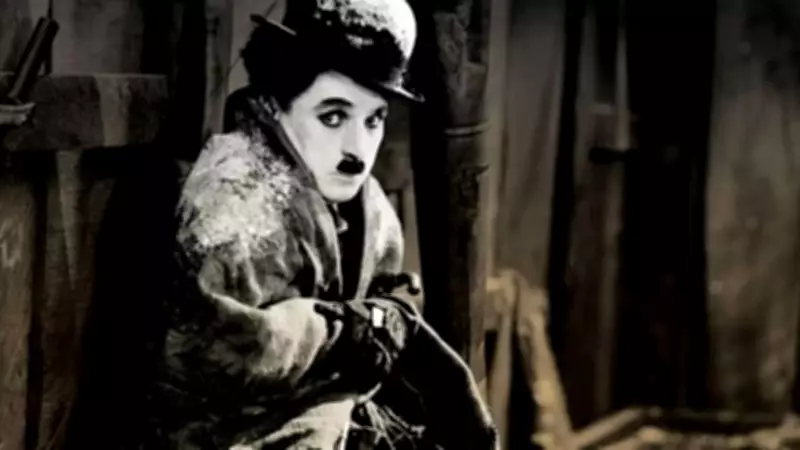
The Timeless Wisdom of Charlie Chaplin: Love as the Ultimate Force
In the annals of cinematic history, few figures shine as brightly as Charlie Chaplin, the undisputed pioneer of comedy who became the most celebrated movie star of the silent film era. His journey from profound childhood hardships to global stardom is a testament to resilience, but more importantly, to the philosophy he championed throughout his life: that love, not power, is the true engine of human achievement.
A Philosophy Born from Experience
Charlie Chaplin famously articulated this belief with the powerful statement: "You need power only when you want to do something harmful. Otherwise, love is enough to get everything done." This quote, widely attributed to Chaplin through sources like Goodreads, encapsulates a worldview that rejects coercion in favor of compassion. It suggests that while society often equates influence with force, genuine accomplishment stems from positive, heartfelt motivation.
Chaplin didn't merely preach this ideal; he lived it. Throughout a career marked by immense pressure to wield his celebrity for various ends, he consistently chose a path guided by artistic integrity and human connection. His refusal to succumb to negative uses of power became a defining characteristic, influencing both his personal decisions and his creative output.

The Formative Years of a Legend
Born Charles Spencer Chaplin in London in 1889, his early life was fraught with challenges that could have easily embittered a lesser spirit. By age twelve, he seized his first legitimate stage opportunity, appearing as "Billy" the page boy in productions of 'Sherlock Holmes.' This humble beginning launched a trajectory that would redefine entertainment.
Chaplin honed his craft in vaudeville, a journey that led him to the United States in 1910 with the Fred Karno Company. His entry into the film industry in 1914 with Keystone Studios marked the birth of an icon. It was here that he debuted "The Little Tramp," the beloved character with baggy pants, a tight coat, a small bowler hat, and a cane, first seen in shorts like Kid Auto Races at Venice.
Masterpieces That Echo His Beliefs
Chaplin's filmography is a gallery of masterworks that subtly weave his philosophy into narrative fabric. The Gold Rush (1925) explores hope amid adversity, City Lights (1931) delves into selfless affection, and Modern Times (1936) critiques industrial dehumanization with a heartwarming touch. Each film, through the Tramp's misadventures, champions empathy over authority, illustrating how love-driven actions can navigate a complex world.
His performances transcended mere comedy, offering poignant social commentary that resonated globally. The Tramp, often an underdog, consistently triumphed through kindness and ingenuity, mirroring Chaplin's own belief in love's sufficiency. This artistic consistency cemented his status not just as an entertainer, but as a cultural philosopher whose messages remain relevant today.
Legacy Beyond the Silver Screen
Charlie Chaplin's impact extends far beyond his film reels. In an era where power dynamics often dominate discourse, his insistence on love's primacy offers a refreshing counter-narrative. His life story—from London's struggles to Hollywood's heights—demonstrates that success need not come at the expense of compassion.
As we reflect on his quote, it serves as a powerful reminder: in pursuits ranging from personal goals to societal change, love fosters sustainable progress, while power often breeds conflict. Chaplin's legacy endures not only in laughter but in the timeless wisdom that true strength lies in heartfelt connection, a lesson as vital now as it was during the silent film era.

