

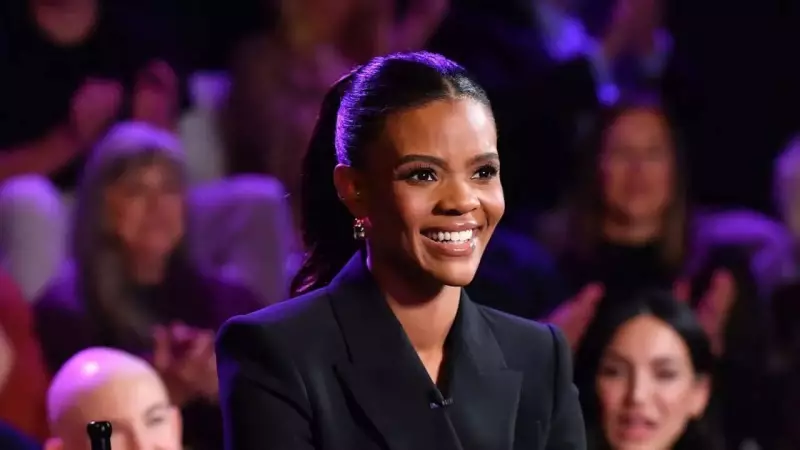
The public split between conservative commentator Candace Owens and her former employer, The Daily Wire, has escalated dramatically. A recent decision by the media network to revive Owens' old podcast using archived content has ignited a firestorm of criticism, raising pointed questions about ownership, control, and professional conduct in the digital media landscape.
A Controversial Relaunch and Immediate Backlash
The controversy erupted after reports surfaced that The Daily Wire planned to bring back Owens' former show using its library of past episodes. While the network legally owns the rights to the content, the move was widely perceived as aggressive. Among the most vocal critics is fellow podcaster Melissa Witte, who did not mince words in her reaction on social media platform X.
In a January 6 post, Witte accused The Daily Wire of desperately clinging to Owens' lingering influence instead of innovating. She sharply wrote that the company was replacing Owens with "a pickme intern" who would merely recap and mock Owens' current work. Witte's critique intensified, comparing the network's actions to those of a "sad, psycho, ex-boyfriend" who cannot move on, even suggesting the behavior was as extreme as keying a car.

Owens' Personal and Professional Anguish
Candace Owens herself addressed the situation on her current independent podcast, describing the experience as deeply unsettling. She revealed that just an hour before a live broadcast, fans alerted her that The Daily Wire had resurrected her old YouTube channel, which she believed had been deleted.
Owens powerfully framed the entire ordeal as a toxic breakup. "I genuinely feel like when you break up with someone and you have a crazy ex, that was how it felt like being fired from Daily Wire," she stated. She emphasized that in a normal professional environment, termination should mark the end of the relationship, alleging she continues to face pressure behind the scenes.
Unanswered Questions and Shifting Narratives
As of now, The Daily Wire has not issued any public response to the growing backlash from Owens, Witte, and others in the media community. What is evident is that the decision to relaunch the archived podcast has successfully reopened old wounds. The narrative has decisively shifted away from discussion of content and strategy, and toward a heated debate about the network's motives and intent.
This incident highlights the complex and often messy intersections of intellectual property, personal brand, and corporate strategy in today's media world. It underscores how actions taken by media companies can quickly become public relations battles, where perceived intent often outweighs legal right.

