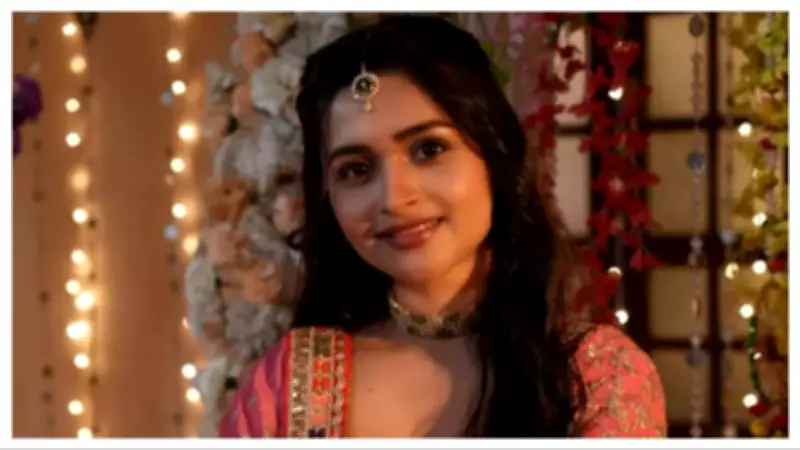
Eshaa Pathak Embraces Vertical Format: From TV Shows to Digital Projects
Eshaa Pathak, known for her role in Anokhaa Bandhan, is currently immersed in shooting consecutive vertical-format projects. With a career built on television series like Faltu, Tara From Satara, and Vighnaharta Ganesha, she describes the shift to vertical storytelling as both challenging and refreshing. This move marks a significant evolution in her acting journey, adapting to the demands of modern digital platforms.
Discovering Vertical Storytelling Organically
Recalling her initial encounter with the format, Eshaa shares that it happened quite naturally. She explains, "After finishing my last TV show, I was browsing Instagram and stumbled upon a short vertical video. I was eager to try it because it represented a new platform and format for me. I had no prior experience with vertical cameras and was unfamiliar with the framing techniques, which made the exploration exciting." This spontaneous discovery sparked her interest in a medium that has since become a staple in her professional repertoire.
Favorites and Regular Work in Verticals
Over time, vertical projects have become a regular part of her schedule. Eshaa notes, "I've been working on verticals for a considerable period now. While I don't have an exact count, some of my favorite projects include Pagal Dulhan Ka Raaz, Mera Inteqaam Dekhogi, and Tapasya vs Temptation. It has been a rewarding experience, and currently, I genuinely enjoy engaging with this format." Her enthusiasm underscores the growing importance of vertical content in the entertainment industry.

Comparing Vertical Shoots to Television
However, Eshaa admits that vertical shoots can be more demanding than television work. She elaborates, "Both verticals and TV are hectic, but I'd say verticals are even more intense. On television, you're comfortable with your team, and there are fewer costume changes. With verticals, time is extremely limited. You must quickly change costumes and memorize lines, as everything moves so fast that breaks are rare. Despite the hectic pace, it's fun because it offers a different dynamic." This comparison highlights the unique pressures of digital production.
Leveraging Television Experience for Adaptation
Drawing from her extensive television background, Eshaa explains how that experience aids her adaptation to vertical formats. She says, "My long tenure in TV has taught me patience, expressive skills, camera awareness, and the stamina to act for 12 to 17 hours straight. Managing costume, makeup, and lines simultaneously has made me practical and quick with memorization. As a fast learner, I adapt easily. I view verticals as a shorter, quicker version of TV. All the skills from television apply here, just compressed into less time. The camera confidence and learning ability I gained from handling long scripts on TV have been invaluable for vertical projects." This insight reveals how traditional media training can seamlessly transition to new digital arenas.