Hollywood's Colorful Embrace: How Western Films Have Captured Holi's Essence
Holi, India's vibrant festival of colors, has long been a cinematic spectacle in Bollywood, with iconic songs like 'Rang Barse' and 'Balam Pichkari' bringing its joy to screens. However, in recent decades, this celebration has transcended borders, captivating international filmmakers who have woven Holi into their narratives to add depth, symbolism, and visual flair. These Hollywood interpretations often go beyond mere festivity, exploring themes of romance, cultural acceptance, and personal growth through the lens of color.
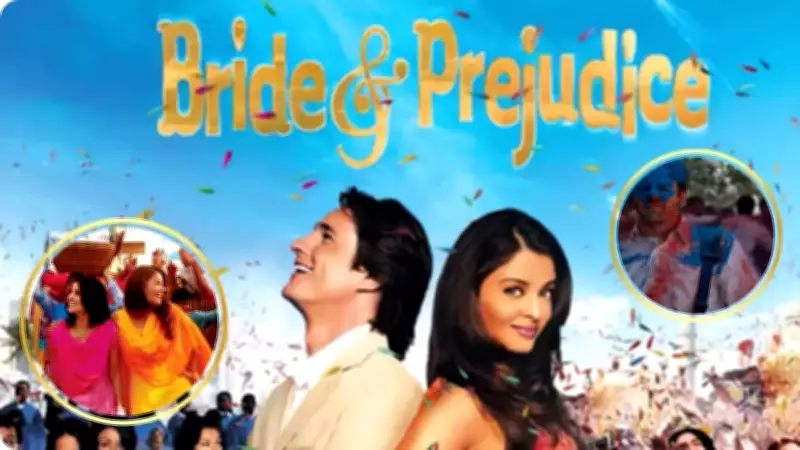
'Bride and Prejudice' (2004): A Romantic Catalyst
Directed by Gurinder Chadha, this Bollywood-style adaptation of Jane Austen's classic uses Holi as a pivotal moment for the protagonists, Lalita and Darcy. Set during the Amritsar sequence, the festival becomes a medium for unspoken communication. As colors fly, the ice between them breaks, fostering an intimate connection. For Darcy, a foreigner, Holi offers a chance to shed his reserved demeanor, while Lalita sees it as an opportunity to engage with her secret admirer. The scene not only provides a visual feast but subtly hints at the budding romance through playful flirtation.
'Outsourced' (2006): Breaking Cultural Barriers
In this film, American manager Todd, played by Josh Hamilton, experiences Holi as a transformative event. Initially hesitant to join the celebrations with his Indian co-workers, he eventually participates, leading to a major icebreaking moment. Covered head-to-toe in vibrant hues, Todd's immersion symbolizes his acceptance into the community, marking a turning point in his cultural journey from outsider to integrated member.

'The Cheetah Girls: One World' (2008): Fusion and Respite
While filming in India, the Cheetah Girls—Chanel, Dorinda, and Aqua—stumble upon a Holi celebration during their work on 'Namaste Bombay.' This scene represents cultural immersion, with the music and colors offering a much-needed break from their hectic schedule. It also mirrors the film's theme of fusion, as the girls blend with the local crowd, temporarily setting aside their rivalries to enjoy the festive spirit.
'Eat, Pray, Love' (2010): A Symbol of Hope
The Holi scene in this film, set during protagonist Liz's time in India, is a visually uplifting and emotionally charged moment. Amidst laughter, music, and a carefree atmosphere, the explosion of colors serves as a metaphor for Liz's personal transformation. Battling divorce and inner demons, she finds in Holi a message that life extends beyond darkness. The festival encourages her to look past her struggles and embrace the spectrum of possibilities ahead.
'Million Dollar Arm' (2014): Escaping Monotony
Starring Jon Hamm as sports agent J.B. Bernstein, this film follows his quest in India to find cricket players for Major League Baseball. The Holi scene, awash in bright pink, yellow, green, and blue, features crowds celebrating in unison. For J.B., the festival becomes a catalyst to break free from his self-imposed limitations, offering an escape from routine and a glimpse into the broader cultural context of his journey.
These Hollywood depictions of Holi demonstrate how the festival has evolved into a global cinematic symbol. Far from mere background decoration, these scenes are thoughtfully integrated to advance plotlines, develop characters, and explore universal themes. Whether catalyzing romance in 'Bride and Prejudice' or symbolizing renewal in 'Eat, Pray, Love,' Holi's portrayal in Western films highlights its enduring appeal and philosophical depth, resonating with audiences worldwide.