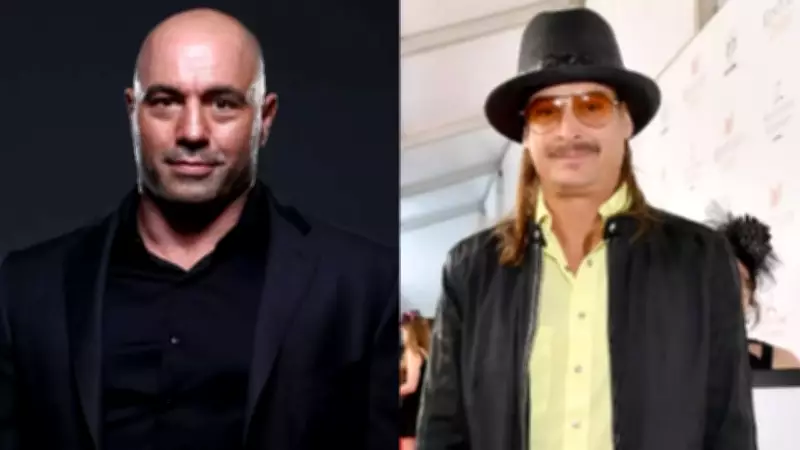
Joe Rogan and Kid Rock Face Intense Criticism Over Disability Slur Controversy
Prominent media personality Joe Rogan and musician Kid Rock are confronting significant backlash following their use of a disability-related slur that has ignited a heated debate in New Jersey. State officials have strongly condemned the language, describing it as harmful and a direct threat to decades of progress in promoting respect and dignity for individuals with disabilities.
New Jersey Officials Issue Stern Warning Against Harmful Language
The controversy erupted when Joe Rogan employed the derogatory "R-word" during an episode of his widely popular podcast, The Joe Rogan Experience. Rogan characterized the resurgence of the term as "one of the great culture victories," a statement that immediately drew sharp criticism from advocates and officials alike. Critics argued that such remarks blatantly disregard the profound pain and stigma associated with this language.
Attention soon expanded to include Kid Rock and other public figures who have recently used the same slur in various appearances. In response, New Jersey authorities have taken a firm stance against this trend.

Official Response from New Jersey Departments
Dr. Stephen Cha, Commissioner of the New Jersey Department of Human Services, and Kaylee McGuire from the Department of Aging and Disability Services addressed the issue directly in a guest column for NJ.com. They emphasized that in 2010, New Jersey "acted decisively to remove outdated and demeaning terminology from New Jersey statutes and regulations and replace it with respectful, person-first language."
The officials expressed deep concern that the recent use of the slur by high-profile personalities jeopardizes this hard-won progress. Specifically referencing Rogan's podcast, they noted, "On a widely listened episode of 'The Joe Rogan Experience,' the host used the slur within seconds of the program's start, celebrating its return as a cultural win."
Their column also highlighted, "Musician Kid Rock publicly used the slur on television, and Kanye West used the word during an interview, among many other recent examples." They warned that such instances encourage the reintegration of offensive language into everyday discourse, undermining efforts toward inclusivity.
Research Shows Alarming Rise in Slur Usage
Despite legislative changes in 2010 that replaced the term with "intellectual disability" in legal contexts, the slur has experienced a troubling resurgence in recent years. Researchers at Montclair State University documented a sharp increase in online usage of the word, particularly following a Truth Social post by former President Donald Trump where he used the term publicly. According to their study, usage surged by more than 200 percent after this event.
Disability Advocacy Groups Condemn the Trend
Disability advocacy organizations have vehemently denounced the growing use of the slur, labeling it as harmful and inhumane. They have issued urgent calls for public figures to adopt respectful language and recognize their influence in shaping social norms. These groups stress that words carry significant weight and can perpetuate discrimination and marginalization.
Broader Implications for Public Speech and Responsibility
This incident has sparked a wider national conversation about media influence, public responsibility, and the ethical use of language. The debate questions whether society is witnessing a regression in linguistic sensitivity and what role celebrities and influencers should play in fostering respectful dialogue.
Joe Rogan, no stranger to controversy, has a history of making bold and provocative statements. Past criticisms over offensive remarks have even placed his role as a UFC commentator under scrutiny and led to public apologies. This latest backlash adds another chapter to his contentious career while reopening discussions on the boundaries of free speech and social accountability.

As the debate continues, it underscores the ongoing challenge of balancing expressive freedom with the need to protect vulnerable communities from harmful rhetoric. The outcome may influence future policies and public attitudes toward language and disability rights in the United States and beyond.