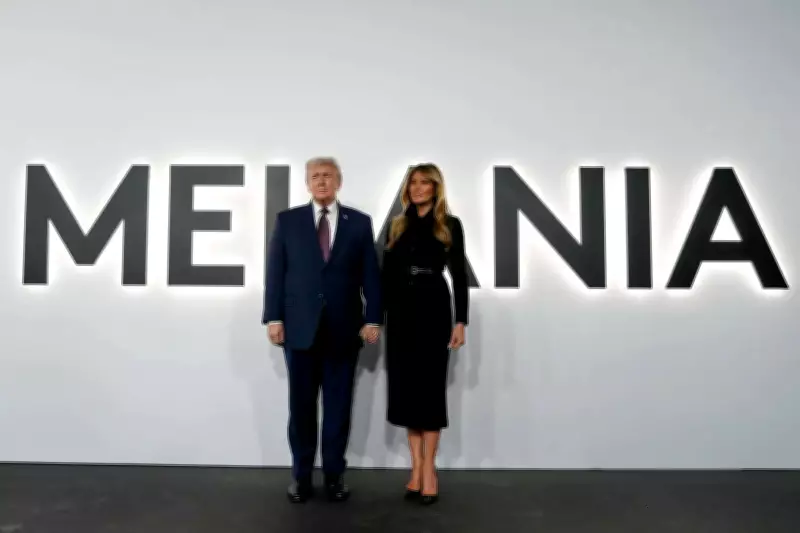
In a surprising turn of events, the documentary film Melania, which arrived amidst widespread online mockery and political memes, has achieved what few documentaries manage: a remarkably strong theatrical debut. The Amazon-backed film focusing on former First Lady Melania Trump is projected to earn approximately $8 million during its opening weekend in the United States and Canada. This performance marks the most impressive opening for a non-concert documentary in more than ten years, significantly surpassing early industry projections and placing the film well ahead of typical releases within the documentary genre.
Digital Criticism Versus Box Office Reality
The film's commercial success stands in sharp contrast to its reception on digital platforms. Across social media, Melania has been widely derided as a glossy vanity project, with critics dismissing it as stage-managed and self-promotional. Viral jokes and conspiracy-tinged commentary framed the documentary as emblematic of Trump-era excess and political theater. However, the actual theater turnout tells a completely different story, revealing a significant disconnect between online discourse and offline consumption patterns.
Audience Demographics Driving Success
Detailed audience data indicates that the film has dramatically over-performed in rural areas and Republican-leaning regions, with states such as Florida, Texas, and Arizona driving substantial ticket sales. Nearly half of the opening weekend audience reportedly came from smaller towns and non-urban markets, representing an unusually high share for a documentary release. The demographic profile has been equally distinctive, with viewers overwhelmingly female and over the age of 55.

Many screenings attracted organized groups from conservative communities and senior citizen organizations, suggesting that for much of this audience, the film functions less as a traditional cinematic event and more as a form of cultural affirmation and political statement. This divide between critical commentary and actual consumption has defined Melania's release strategy and reception.
Critical Reception Versus Audience Approval
While professional critics and online commentators debated the film's intent, tone, and artistic merits, ticket buyers arrived with clear expectations and, according to exit surveys, largely left satisfied. Audience approval ratings remained strong despite largely skeptical professional reviews that focused on the documentary's polished presentation and limited introspection.
Reviewers have particularly noted the film's tightly controlled narrative, which they argue leaves little room for complexity or critical examination. The choice of director has also drawn attention, given his extended absence from filmmaking before this high-profile project. Yet none of these critical concerns appear to have deterred the film's core audience, with many viewers describing their ticket purchase as a deliberate statement of support.
Financial Context and Streaming Implications
The scale of Amazon's investment in Melania ensures that the box office numbers, while impressive for a documentary, come with important qualifications. The company reportedly spent tens of millions acquiring and marketing the film, making it one of the most expensive documentaries ever produced. Theatrical revenues alone are unlikely to offset this substantial outlay, placing greater emphasis on the film's eventual performance when it reaches Amazon's streaming platform.
Broader Cultural Implications
This pattern reflects a broader trend in American culture where media consumption has increasingly become a marker of political identity as much as entertainment preference. Historically, documentaries struggle to draw sustained theatrical crowds, with few crossing even modest box office thresholds. Against this backdrop, Melania's opening weekend performance stands out as particularly noteworthy, regardless of how the film is judged critically.

The broader takeaway from this release is becoming increasingly familiar in today's polarized media environment: online ridicule does not necessarily translate into commercial failure. Cultural products no longer require universal approval or critical acclaim to succeed financially. They simply require a dedicated audience that feels sufficiently invested to physically turn up and support the project.
For Melania, that audience clearly did turn up in significant numbers, demonstrating that in an era of cultural division, targeted appeal can sometimes trump widespread criticism. The documentary's success suggests that films serving specific demographic and ideological niches can achieve commercial viability even when facing substantial online opposition, redefining traditional metrics of documentary success in the process.