Oscars 2025 Closes with Unusual Post-Credits Sketch Featuring MrBeast
The closing moments of the 2025 Academy Awards ceremony delivered a completely unexpected twist that left global viewers stunned and social media buzzing with intense speculation. Just when the prestigious event appeared to have concluded traditionally, the broadcast cleverly inserted a strange and eerie post-credits gag that immediately became the talk of the entertainment world.
The Bizarre Sketch That Captivated Audiences
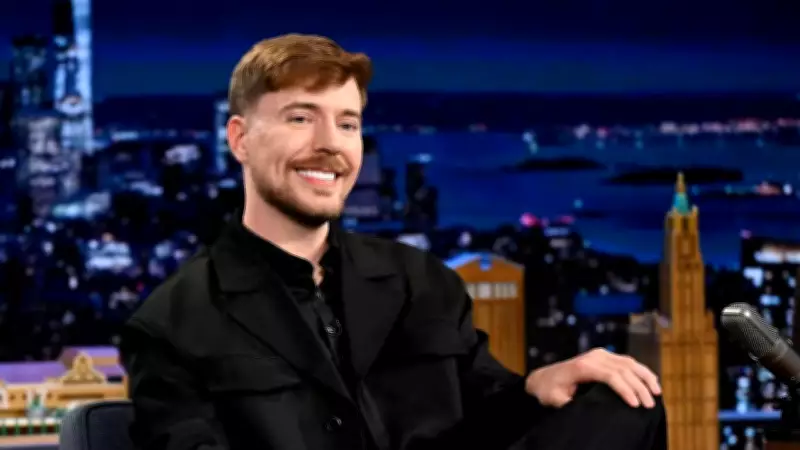
This surprising moment involved veteran comedian and host Conan O'Brien participating in a fictional office promotion scenario that took a darkly comic turn. The sketch, inspired by elements reminiscent of Sean Penn's character Lockjaw, depicted O'Brien's promotion quickly transforming into a deadly office trap filled with mysterious green gas. When the smoke finally cleared, the camera dramatically revealed a chilling replacement on the door plaque—the name had changed to simply "MrBeast".
Within mere minutes of this revelation, social media platforms exploded with questions and theories. Was the internet's most influential creator genuinely preparing to take over Hollywood's most prestigious stage? The timing and execution of this gag created genuine confusion and excitement among viewers worldwide.

A Clever Commentary on Hollywood's Digital Transformation
This post-credits joke functioned brilliantly because it tapped directly into a significant real-world shift occurring behind the scenes of the entertainment industry. The Academy Awards are reportedly preparing for a monumental broadcast transformation. From 2029 onward, the ceremony will allegedly move exclusively to YouTube, thereby ending its long-standing partnership with traditional television networks.
The reference to MrBeast suddenly felt far less random when viewed through this lens. If the Oscars are indeed transitioning to YouTube as their primary platform, who better symbolizes that platform's immense power and cultural influence than its most successful creator? MrBeast, whose large-scale YouTube productions often rival traditional television in both scope and viewership, represents the new era of digital entertainment.
Earlier Internet Culture References Set the Stage
Earlier during the broadcast, the show had already demonstrated its awareness of evolving digital culture through clever parodies. Actress Jane Lynch appeared in a brilliantly executed spoof advertisement that perfectly mimicked the chaotic nature of YouTube pre-roll commercials. She promoted a tactical torch supposedly "the same one that killed Bin Laden", only to reappear moments later as a lawyer in a fabricated class action lawsuit targeting that very product.
When combined with the post-credits sketch, these elements formed a cohesive and clear message: Hollywood recognizes it must actively compete for audience attention in an online world increasingly dominated by digital creators and viral video content. The entertainment establishment is acknowledging that the rules of engagement have fundamentally changed.
The Bigger Truth Behind the Humor
For concerned fans and industry observers, there is immediate relief: the nameplate swap was confirmed to be purely a comedic bit. MrBeast is not actually scheduled to host the Oscars in the upcoming year. However, this moment captured a much larger and more significant truth about the current state of the entertainment industry.
The film industry is unmistakably looking toward a digital future where platforms like YouTube wield enormous influence. Creators like MrBeast represent the new generation of entertainment power players who understand how to captivate global audiences through innovative digital formats. The Oscars' willingness to incorporate this reality into their ceremony—even through humor—signals an important recognition of where audience attention is increasingly focused.
This memorable post-credits moment will likely be remembered as a clever cultural marker, highlighting the ongoing convergence between traditional Hollywood prestige and the dynamic world of digital content creation. As viewing habits continue to evolve, such intersections between established institutions and new media platforms will undoubtedly become more frequent and significant.