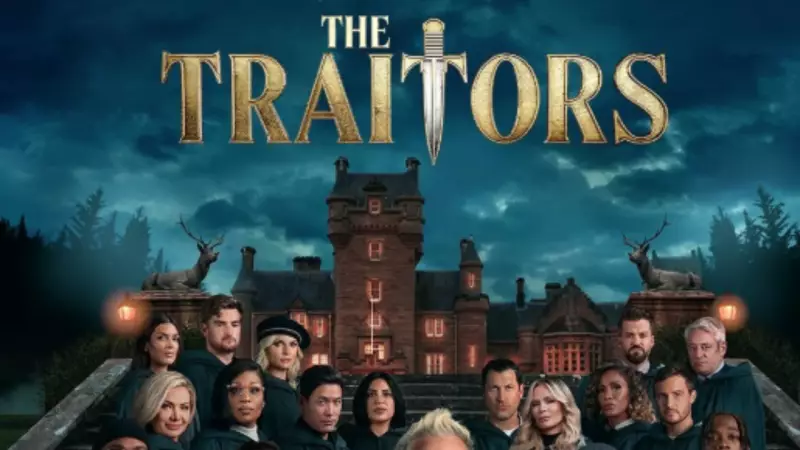
The Traitors Season 4 Draws Line Between Gameplay and Real-World Harassment
While reality television thrives on manufactured drama and strategic gameplay, the creators of The Traitors have made a definitive statement about where entertainment ends and real-world harm begins. As the fourth season intensifies with betrayals and alliances, the production team has taken a firm public stance against the cyberbullying and harassment directed at participants.
Official Statement Condemns Online Abuse
The show's official social media account released a powerful declaration on January 24, emphasizing their commitment to cast welfare. "We are dedicated to ensuring our cast feels secure, valued, and supported, both on and off the screen," the statement read. It further clarified the crucial distinction between discussing television strategy and targeting individuals personally: "The cast of The Traitors are real people, and what happens in the game should never lead to cyberbullying or harassment. There's a difference between discussing a program and targeting specific individuals."
Hosted by the charismatic Alan Cumming from a picturesque Scottish castle, the series creates tension by pitting Faithful players against secret Traitors who execute nightly murders. While viewers passionately debate strategies and alliances online, some discussions have crossed into dangerous territory with personal attacks and threats.

Lisa Rinna's Fiery Confrontation Sparks Backlash
The tension reached boiling point following dramatic clashes involving Real Housewives veteran Lisa Rinna and Bachelor star Colton Underwood. Rinna's characteristically bold, Housewives-style confrontations with Underwood generated significant controversy and brutal online backlash. The reality television personality later addressed the situation on Instagram, offering an apology while contextualizing her behavior within the competitive framework of the show.
"My comments were made in the spirit of competition," Rinna explained, while directly appealing to viewers: "Be kind. It's a game. We're all doing our best. Avoid sending threats or anything that could endanger someone's family." Her plea highlights how quickly television drama can spill over into real-world consequences when audiences fail to separate performance from personal attack.
Ron Funches' Unexpected Revelation
Comedian Ron Funches experienced a different form of online commentary when viewers began speculating about his neurodivergence. Rather than rejecting the unsolicited diagnoses, Funches embraced the discussion with characteristic humor on his Instagram Stories. "The internet informed me that I was autistic, and they were correct. You win this round," he shared, turning potential criticism into a moment of self-awareness and acceptance.
These incidents collectively demonstrate how easily armchair critics blur the boundaries between fictional television narratives and the actual lives of participants, creating environments where harassment can flourish under the guise of entertainment commentary.
Season Four's Star-Studded Cast and Timely Message
The fourth season features an impressive roster of celebrities including Niecy Nash, fitness expert Bob Harper, and reality star Tom Sandoval. As murders and banishments accelerate within the game's framework, the production's anti-cyberbullying message arrives at a particularly relevant moment. While audiences continue to enjoy the strategic betrayals and dramatic reveals that define the series, producers are making clear efforts to foster a more positive viewing culture.
As host Alan Cumming might elegantly phrase it, the show encourages viewers to keep the treachery confined to the screen where it properly belongs. This proactive approach represents a growing awareness within the entertainment industry about the responsibility to protect participants from the darker aspects of fandom, ensuring that competitive gameplay doesn't become an excuse for real-world harm.