

6 Winter Vegetables You Should Avoid Even When Available in Markets
Winter markets present a confusing array of vegetables. Stalls overflow with produce that appears fresh and shiny, creating the illusion of year-round availability. However, availability does not guarantee suitability for winter consumption. Traditional Indian food wisdom and Ayurvedic principles have long emphasized that eating seasonal produce represents more than a passing trend. It embodies a survival instinct refined over centuries of observation and practice.
Many vegetables sold during winter months fall into problematic categories. Some represent cold-storage leftovers from previous seasons. Others arrive from warmer regions through import channels. Still others grow unnaturally with chemical assistance. While these vegetables might look perfectly fine, they often lack authentic taste, proper nutrition, and digestive compatibility with winter conditions. Some may even carry elevated pesticide residues. Here are six specific vegetables best avoided during winter, regardless of their fresh appearance on market shelves.
1. Lauki (Bottle Gourd)
Bottle gourd stands as a classic summer vegetable known for its cooling, hydrating, and light properties. During winter months, the lauki you encounter rarely comes fresh from local fields. Most specimens arrive from cold storage facilities or distant growing regions, harvested weeks or even months earlier.

Lauki contains high water content that prevents it from aging gracefully. Stored bottle gourd often develops bitter, watery, or bland flavors while experiencing sharp declines in nutritional value. Winter digestion naturally slows down, making lauki consumption potentially problematic. It may cause bloating, loose stools, or uncomfortable cold sensations within the body. Always discard lauki that tastes unusually bitter, as this indicates chemical imbalance or improper storage conditions.
2. Parwal (Pointed Gourd)
Pointed gourd naturally belongs to warmer months rather than winter seasons. Fresh parwal offers subtle taste and soft texture, but winter parwal typically feels hard, fibrous, and tasteless. Most winter parwal reaches markets through import channels or extended storage periods, processes that strip away both flavor and nutritional benefits.
Stored parwal often receives preservative treatments and surface chemicals to maintain its green coloration. From a digestive perspective, parwal feels particularly heavy during winter months and may not break down easily. People with weak digestion or joint issues should exercise special caution with winter parwal consumption.
3. Torai (Ridge Gourd)
Ridge gourd represents a highly seasonal vegetable extremely sensitive to storage conditions. Once harvested, torai loses freshness with remarkable speed. The torai available during winter almost always comes from cold storage, explaining its rubbery texture and poor cooking performance.
Stored ridge gourd lacks natural enzymes that aid digestion and frequently receives pesticide sprays to prevent spoilage during transportation. Regular winter consumption may lead to gas, acidity, or indigestion, particularly when eaten during evening hours. Winter digestion prefers warming, grounding vegetables, while torai produces opposite effects.
4. Tinda (Apple Gourd)
Apple gourd represents another water-rich vegetable unsuitable for winter eating. Fresh tinda offers soft texture and mild sweetness, but winter tinda typically feels hard, hollow internally, and nutritionally weak. Because tinda spoils easily, winter supplies often receive heavy chemical treatments to extend shelf life.
These treatments affect taste while increasing chemical load on the human body. During colder months, tinda consumption may aggravate kapha and ama (toxins), potentially leading to heaviness, sluggishness, or mucus-related issues.
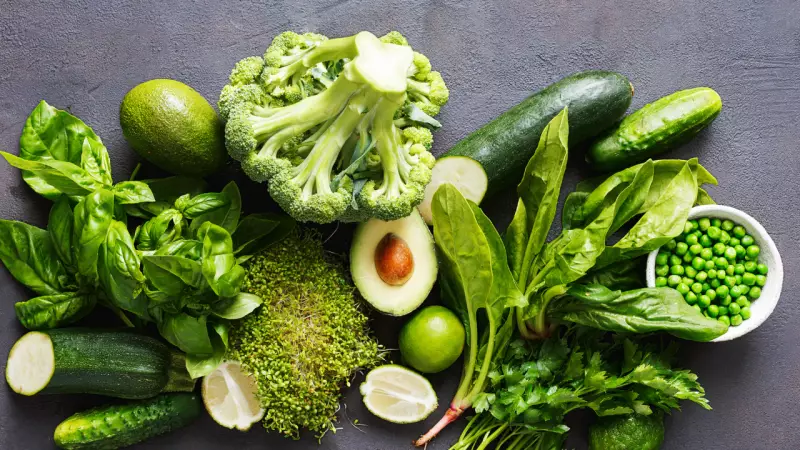
5. Kakdi / Cucumber
Cucumber remains available throughout the year but represents one of the worst vegetables for winter consumption. Its deeply cooling, water-dominant nature suits summer hydration needs rather than cold weather digestion. Winter cucumbers typically arrive through import channels or greenhouse cultivation, often containing wax coatings and pesticide residues.

Eating cucumber during winter can weaken digestive fire, increase cold sensitivity, and worsen joint pain or sinus congestion. If your body already experiences stiffness or cold sensations, cucumber quietly compounds these problems.
6. Chichinda (Snake Gourd)
Snake gourd rarely grows naturally during winter months, yet it appears in markets through storage and transportation systems. Like other gourds, chichinda loses medicinal value quickly after harvest. Winter snake gourd often becomes stringy, tasteless, and nutritionally empty, offering bulk without benefits.
Chemical treatments frequently prevent shriveling in transported chichinda. From traditional perspectives, snake gourd consumption during winter can disturb digestion and increase internal coldness, especially when eaten frequently.
Winter eating requires careful consideration beyond mere availability. Seasonal vegetables grown locally and harvested recently provide optimal nutrition and digestive compatibility. When markets present off-season produce, remember that traditional wisdom often guides us toward healthier choices aligned with nature's rhythms.





