

The government of Andhra Pradesh has ignited a fresh and heated discussion in the medical community by approving a move to allow surgical procedures under the Ayurvedic system of medicine. This significant policy shift, sanctioned by the state's Health Minister, aims to blend ancient Indian medical traditions with contemporary healthcare practices.
Minister's Approval Fuels Integration Push
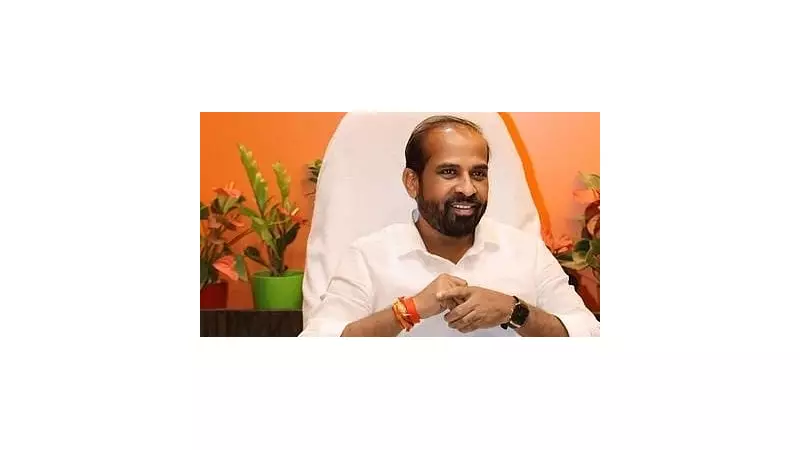
State Health Minister Satya Kumar Yadav, who is a BJP legislator serving in the N Chandrababu Naidu-led TDP NDA cabinet, recently gave his official nod to this initiative. In his statement, the minister framed the decision as a progressive step towards the integration of India's traditional systems of medicine with modern healthcare frameworks. The approval was formally reported on 03 January 2026, marking a potential turning point in how medical services are structured and delivered in the state.
Debating the Scope of Ayurvedic Practice
This decision has effectively reignited a long-standing and often contentious debate regarding the scope of practice within Ayurveda. Proponents argue that certain surgical procedures are historically documented within classical Ayurvedic texts and that formalizing this practice will provide more holistic care options. They see it as a rightful recognition and modernization of indigenous knowledge.

However, critics and sections of the modern medical establishment express deep concern. The primary objections revolve around patient safety, standardized training protocols for complex procedures, and the clear demarcation of expertise between different streams of medicine. The move raises critical questions about regulation, accreditation, and how such integrated practices would be monitored to ensure the highest standards of patient care.
Implications for Healthcare in Andhra Pradesh
The policy's implementation will be closely watched, as it could set a precedent for other states in India. If executed with robust regulatory frameworks and stringent training standards, it may pave the way for a unique, integrated model of healthcare. This model would allow patients to choose from a wider spectrum of treatment options that combine ancient wisdom with modern scientific rigor.
Conversely, without meticulous planning and oversight, the move risks creating confusion and potential safety hazards. The success of this initiative will largely depend on the development of clear guidelines, collaborative training programs between Ayurvedic and allopathic institutions, and transparent communication with the public about the qualifications and limits of practitioners. The decision by Minister Yadav has undoubtedly opened a new chapter in India's ongoing journey to define the role of its traditional medicines in the 21st century.






