

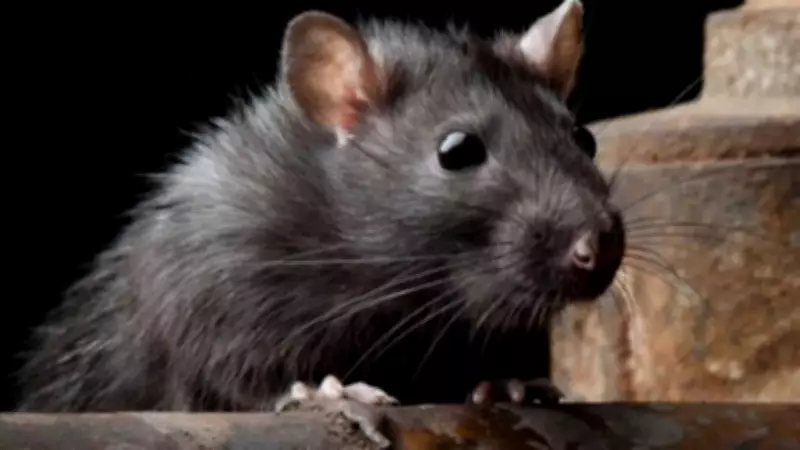
The Ubiquitous Black Rat: Humanity's Ancient Foe and Unexpected Companion
Rats are among the most pervasive creatures on Earth, scuttling through human settlements with remarkable adaptability. For thousands of years, humans have coexisted with these rodents, often barely noticing them until they inflict damage through bites, gnawing, or disease transmission. The black rat, scientifically known as Rattus rattus, stands out as a particularly intelligent and resourceful species that has profoundly impacted human history.
South Asian Origins and Cultural Significance
The black rat first emerged in South Asia, specifically in regions encompassing modern-day India and Myanmar. These areas feature bamboo forests that undergo dramatic flowering cycles every 48 to 50 years, producing massive quantities of seeds. This natural phenomenon triggers what experts call "Mautam" or "rat floods," where thousands of rodents descend upon agricultural lands, devouring crops and stored food supplies. Historical records indicate that in 1881, such an event reportedly caused significant migrations and conflicts in northeastern India.
Despite their destructive potential, not all human communities view black rats with disdain. In the town of Deshnok, India, the Karni Mata Temple provides sanctuary to approximately 20,000 black rats that are actively fed and revered by local worshippers. This unique cultural practice stems from the belief that these rodents represent reincarnated ancestors, demonstrating the deeply intertwined relationship between humans and rats throughout history.

Public Health Threats and Agricultural Destruction
Black rats exhibit a strong preference for human habitats, feeding on food scraps, nesting in attics, and occasionally transmitting dangerous pathogens. Historical evidence suggests that the Black Death pandemic, which eliminated approximately one-third of Europe's population during the 14th century, likely involved black rats and their fleas as primary vectors. When rat populations collapsed, infected fleas would seek alternative hosts, including humans.
In contemporary times, black rats continue to pose significant health risks by carrying diseases such as leptospirosis, murine typhus, and rat-bite fever. A recent outbreak in Berkeley, California, reportedly resulted in the death of at least one dog and presented potential dangers to human health if left untreated.
Beyond disease transmission, rats cause extensive agricultural damage. Experts estimate that rodents contaminate approximately 20% of agricultural products annually in the United States alone, resulting in economic losses amounting to billions of dollars. Their continuously growing teeth compel them to gnaw on various materials, including tractor components, irrigation systems, and warehouse electrical wiring. Agricultural experts warn that rats produce droppings at a rate ten times greater than their food consumption, creating additional contamination challenges that have forced farmers to develop innovative control methods over centuries.
Remarkable Intelligence and Modern Control Strategies
Black rats demonstrate exceptional cognitive abilities, including taste-testing unfamiliar foods, avoiding novel objects in their environment, and learning to evade traditional trapping mechanisms. Historical attempts to control rat populations using arsenic or strychnine proved largely ineffective until the discovery of warfarin in the 1930s. This anticoagulant rodenticide proved successful because it doesn't cause immediate death, allowing poisoned rats to return to their colonies and spread the toxin through social interactions.
Today, advanced rodenticides and sophisticated trapping systems provide more effective control measures, yet black rats continue to display remarkable adaptability. According to biologists from the University of Sydney, island ecosystems suffer particularly severe consequences from rat infestations, as rodents consume seabird eggs, native lizards, and indigenous plant species. The disappearance of birds disrupts nutrient cycles, sometimes necessitating large-scale eradication efforts involving helicopters dropping tonnes of specialized poisons.

The complex relationship between humans and black rats encompasses elements of conflict, coexistence, and even reverence, reflecting the multifaceted nature of our interaction with this persistent and intelligent species.





