Innovative Surgery Saves Critically Endangered Gharial in Chennai
In a groundbreaking medical achievement, surgeons at the Madras Veterinary College (MVC) in Chennai have successfully saved a critically endangered gharial by performing a rare and delicate procedure to repair its fractured upper snout using a metal plate. This operation marks a significant milestone in veterinary science, as it involved adapting a technique typically reserved for dogs to treat a reptile, with no prior surgical precedent for such cases.
High-Stakes Rescue for an Endangered Species
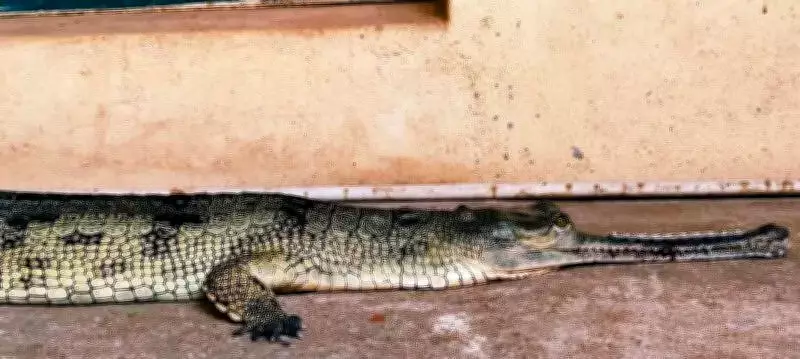
The patient was a five-year-old Gangetic gharial (Gavialis gangeticus), housed at the Chennai Snake Park Trust (CSPT) in Guindy. The crocodile sustained extensive damage to its upper snout during a fight, posing a severe threat to its survival. Given that the Gangetic gharial is classified as critically endangered, every individual's life holds immense ecological importance, making this rescue effort particularly urgent and vital for conservation efforts.
Adapting Veterinary Techniques for Reptilian Care
Led by Professor Md Shafiuzama, head of the surgery department at MVC, a skilled surgical team conducted thorough radiographic and CT analyses before proceeding with the operation under general anesthesia. They employed the supercutaneous plating (SCP) technique, a minimally invasive orthopaedic method traditionally used for traumatic bone injuries in dogs. This approach involves applying locking plates above the skin rather than embedding them internally, which helps avoid extensive soft tissue dissection, preserves blood supply, reduces surgical trauma, and promotes faster bone healing.

However, adapting this technique for the gharial required creative innovation. The absence of loose skin or muscle tissue around the jaw made internal placement impossible. Instead, the surgical team secured the plate externally along the snout, providing the necessary structural support for the fractured jaw without compromising surrounding tissue. Surgeons emphasized that no other method could have reliably restored the jaw to its original condition, highlighting the procedure's uniqueness and effectiveness.
Post-Surgical Recovery and Future Steps
The gharial is currently under post-surgical care at CSPT, where it remains in isolation to facilitate healing. Since the animal is temporarily unable to feed independently, staff are force-feeding it to ensure it regains strength and nutrition. Within a month, the external plate will be removed and replaced with a plate positioned beneath the snout, a crucial step in the long-term recovery process. This careful monitoring and follow-up care are essential for the gharial's full rehabilitation and eventual return to normal function.
This successful surgery not only showcases the expertise and adaptability of veterinary professionals in Chennai but also underscores the critical role of medical interventions in wildlife conservation. By pushing the boundaries of veterinary science, the team at MVC has set a new standard for treating endangered species, offering hope for similar future rescues and contributing to global biodiversity preservation efforts.