

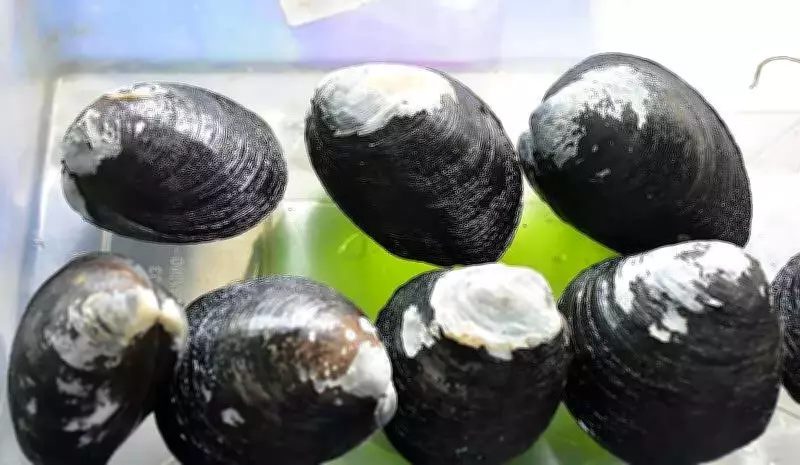
CMFRI's Scientific Breakthrough in Mangrove Clam Breeding
The Central Marine Fisheries Research Institute (CMFRI) in Kochi has achieved a significant scientific milestone by successfully conducting induced breeding of the mangrove clam, locally known as 'Kandal Kakka', under controlled captive conditions. This development comes at a crucial time, as mangrove clam populations have been steadily declining due to changing coastal environments and the collapse of mangrove ecosystems across the state.
A Vital Resource Under Threat
Mangrove clams, also referred to as mud clams, represent a critical yet diminishing resource within estuarine and mangrove habitats. Their decline has been exacerbated by factors such as indiscriminate harvesting, habitat degradation, pollution, and unchecked coastal development. In India, particularly along the east coast and in island regions, wild stocks have seen a noticeable reduction in both abundance and shell size, largely due to the absence of scientific stock assessments, size limits, and seasonal fishing restrictions.
The Breeding Achievement in Detail
Scientists from CMFRI's mariculture division successfully induced spawning of mangrove clams and managed to complete the full embryonic and larval development under meticulously controlled conditions. They recorded successful spat settlement from the 18th day after spawning, marking one of the very few documented instances globally of induced breeding, larval rearing, and spat production for this species.

This breakthrough is expected to be a significant scientific milestone for community-managed estuarine aquaculture, which involves the farming of fish, shellfish, or aquatic plants in estuaries. The achievement opens new avenues for sustainable livelihoods and nutritional security, especially for mangrove-dependent communities in coastal regions of Kerala.
Future Steps and Implications
CMFRI scientists are now focused on standardising larval rearing and nursery management protocols to enhance survival rates and enable large-scale seed production. The development of hatchery technology and grow-out farming in suitable estuarine systems could pave the way for low-input farming practices.
According to the researchers, the stock of this resource can be sustainably enhanced through the ranching of hatchery-produced seeds in critical mangrove ecosystems. This approach supports both clam restoration and mangrove conservation efforts. Farming activities using hatchery-produced seeds will help restore depleted natural stocks, reduce pressure on wild populations, and strengthen livelihood opportunities for coastal communities.
Ecological and Economic Significance
One of the largest mud clams in the world, reaching shell widths of up to 10cm, the mangrove clam plays a crucial ecological role by recycling nutrients and stabilising sediments. Its conservation and sustainable farming are vital for supporting the food security and livelihoods of communities that depend on mangrove ecosystems.
This scientific achievement by CMFRI not only addresses the immediate need for conservation but also sets a precedent for sustainable aquaculture practices that balance ecological health with economic viability.






