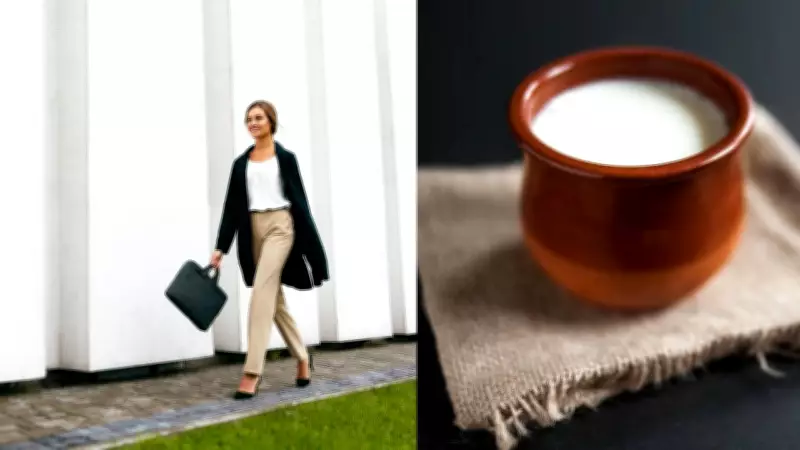
The Ancient Indian Ritual of Dahi Chini: A Spoonful of Luck and Wisdom
In countless Indian households, a timeless tradition persists: consuming a spoonful of Dahi Chini before stepping out the door. This age-old practice is deeply rooted in the belief that it invites good fortune and smooths the path ahead. Far more than mere superstition, this ritual represents a mindful fusion of Vedic astrology and Ayurvedic principles, offering both spiritual and physical benefits.
The Comforting Power of Fresh Curd
Few foods offer the universal comfort of fresh curd, or dahi. Created by fermenting milk with live cultures, dahi introduces beneficial bacteria that help maintain a healthy gut balance. Its inherently cooling nature soothes acidity and promotes smoother digestion, particularly when paired with heavier meals such as parathas or rice dishes.
As fermentation progresses, the milk gradually thickens and develops a gentle tang, signaling the growth of these healthy cultures. This natural transformation not only enhances flavor but also makes nutrients more easily absorbable. This is why freshly set curd often feels lighter and more satisfying than its processed alternatives.

Many Indian families instinctively conclude their meals with curd rice or a simple spoonful of plain dahi. This is not merely tradition; it aids the body in settling after eating, promoting digestive harmony.
How to Prepare Fresh Curd at Home
Simple Steps for Perfect Dahi:
- Heat milk until it is just warm to the touch, ensuring it does not boil.
- Add one teaspoon of existing curd as a starter culture, mixing gently.
- Cover the mixture and leave it undisturbed in a warm place for 6 to 8 hours, or overnight, until fully set.
- Once firm, refrigerate to slow further fermentation and preserve freshness.
The Sweet and Auspicious Ritual Explained
Indians are renowned for their love of sweets, which makes the Dahi Chini ritual a particularly delightful experience. It is widely held that consuming dahi with sugar (chini) or jaggery (gur) is auspicious and helps remove life's hurdles.
According to ancient Vedic astrology texts, eating Dahi Chini before leaving home invokes the sacred Gaja Kesari Yoga, formed by the harmonious alignment of the Moon and Jupiter. In this symbolism, dahi represents the Moon, offering its calming, nurturing energy to foster mental clarity and emotional stability. Conversely, chini embodies Jupiter, bestowing wisdom and prosperity.
Practitioners believe that following this simple daily ritual strengthens lunar influences in one's birth chart, offers protection against the illusions and obstacles associated with Rahu, and promotes smooth success in all endeavors—be it exams, interviews, or journeys—by aligning the mind with sattvic positivity and cosmic energies.
The Ayurvedic Connection to Dahi Chini
This ritual is intricately linked to the ancient science of Ayurveda. The calming, cool, and probiotic nature of dahi helps pacify Vata dosha and soothes the nerves, enabling focused thinking. This is attributed to the Moon's governance over intellect. Simultaneously, the glucose from white sugar activates Jupiter's vitality, fostering confidence and enabling quick decision-making under pressure.
Dahi Chini is also celebrated as a traditional Indian breakfast delight, rich in protein, fiber, and essential minerals. It enjoys particular popularity in regions like Bihar, Jharkhand, and Eastern Uttar Pradesh.
How to Prepare the Dahi Chini Dish
Traditional Preparation Method:

- Begin by soaking flattened rice (poha) in water for approximately two minutes.
- Combine the soaked rice with fresh curd and sugar or jaggery according to taste.
- For added flavor and nutrition, one can top the mixture with fruits like banana.
- During the winter months, this dish is often enjoyed with tilkut—a sweet made from crushed sesame seeds and jaggery or sugar—adding a delightful crunch. It pairs wonderfully with savory dishes such as aloo matar curry or aloo gobhi.
The Profound Significance of the Ritual
At its core, the Dahi Chini ritual is believed to attract good luck, mental clarity, calmness, and protection from negative energies. It is traditionally offered by a mother or the elders of the house as a heartfelt blessing for those embarking on their day.
This practice is thought to ward off malefic planetary influences, ensuring that one's endeavors unfold without unforeseen hitches. It is akin to invoking divine favor for a karmic edge, especially in competitive scenarios, making it a cherished part of India's cultural and spiritual heritage.