

Toys offer a direct window into how children view the world. They spark imagination while quietly teaching lessons about identity and purpose. For many years, popular dolls faced criticism for promoting narrow beauty standards. They often failed to represent diverse abilities, leaving many children feeling invisible.
Inclusive Toy Designs Break Old Stereotypes
Now, the landscape is changing dramatically. Toymakers are embracing inclusive designs that celebrate all appearances and conditions. We see dolls with wheelchairs, hearing aids, and various medical conditions. These toys help young minds understand differences as a normal part of life. Childhood representations might start small, but they leave lasting impressions in our memories.
Every doll on a store shelf sends a message about who matters in society. This reality pushes toymakers to listen more carefully to authentic voices. Recently, a major doll brand took a significant step forward. They unveiled a new doll model specifically created for children with special needs.

First Autistic Barbie Doll Arrives in Indian Markets
Barbie's first autistic doll reached Indian stores in January 2026. This launch expands the brand's inclusive range, which already includes dolls representing Type 1 diabetes, visual impairment, and Down syndrome. Mattel India stated on social media platform X that they aimed to highlight neurodiversity through play. They want to showcase the varied experiences that children encounter daily.
The doll carries a price tag of ₹799 and targets children aged three and above. It is available through major retail outlets and e-commerce websites across the country.
What Makes This Doll Special?
The company developed this doll over eighteen months in collaboration with the Autistic Self Advocacy Network. This United States-based organization is run entirely by autistic individuals. The design consciously avoids stereotypes, focusing instead on relatable traits.
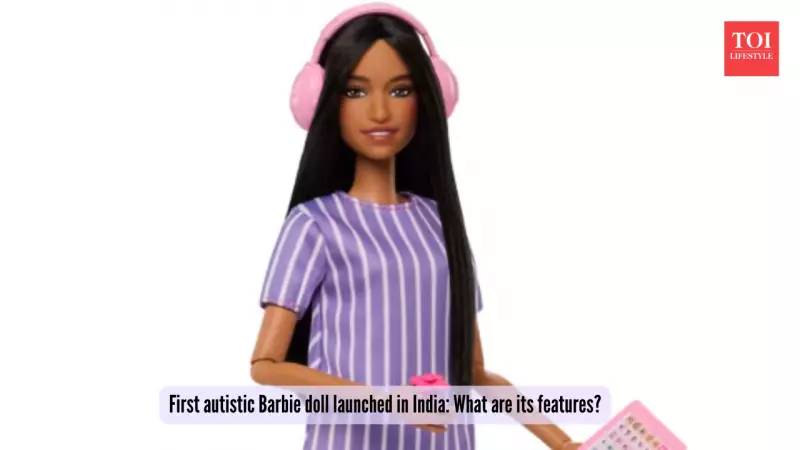
Key features include bendable elbows and wrists that allow for stimming movements. The doll has a soft, averted gaze and comes with a fidget spinner. It also includes noise-cancelling headphones and a tablet equipped with Augmentative and Alternative Communication apps.
Mattel emphasized that their goal was to create a doll that feels genuinely relatable rather than merely symbolic. For sensory comfort, the doll wears a loose purple A-line dress and comfortable flat shoes.
The Vision Behind This Groundbreaking Doll
Jamie Cygielman, Global Head of Dolls at Mattel, shared insights on the official website. She explained that Barbie has always aimed to mirror the world children see and the possibilities they imagine. Introducing the first autistic Barbie represents a continuation of this important work.
Cygielman added that the doll, designed with guidance from autistic advocates, helps broaden the meaning of inclusion. It changes what families see in toy aisles and beyond. She stressed that every child deserves to see themselves reflected in Barbie's world.
Social Media Reactions Show a Mixed Response
The launch triggered lively discussions on social media platform X. Many users celebrated the move as a victory for neurodiversity awareness. They appreciated the effort to increase visibility for autistic children.
However, some voices raised questions about the doll's design. They debated whether it accurately represents the broad spectrum of autism experiences. Users called for deeper conversations about authentic representation in toys. Despite these debates, most people praised the underlying vision focused on inclusion and recognition.






