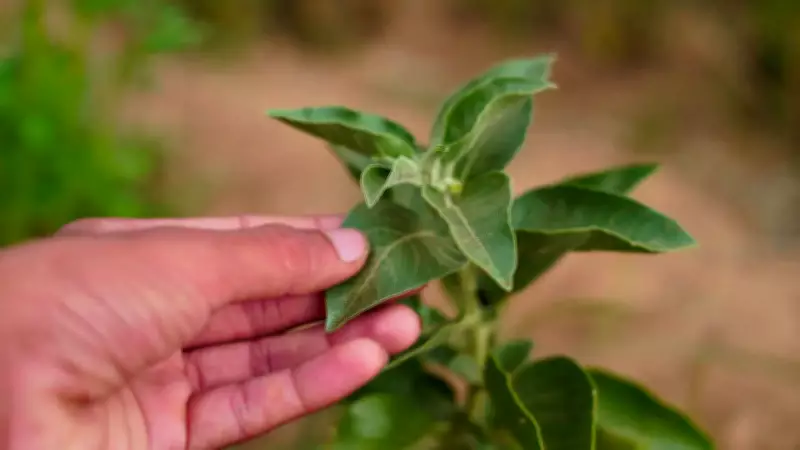
FSSAI Issues Advisory Banning Ashwagandha Leaves in Food Products
From ancient Ayurvedic practices to modern endorsements by global figures like Prime Minister Narendra Modi, ashwagandha has long been celebrated as a potent herb that enhances vitality, longevity, and holistic balance. However, in a significant regulatory shift, the Food Safety and Standards Authority of India (FSSAI) has now prohibited the use of ashwagandha leaves in food products and supplements.
Details of the FSSAI Advisory
On April 16, the FSSAI released an advisory that explicitly bans the incorporation of ashwagandha leaves, whether in crude form, extract, or any other variation, into food items. This directive stems from existing regulations that only permit the use of ashwagandha roots in specific product categories.
The advisory outlines several key points:

- The FSSAI has established standards for health supplements, nutraceuticals, and related products under the Food Safety and Standards Regulations of 2016. Schedule IV of these regulations lists permitted botanicals, including ashwagandha roots and their extracts, subject to prescribed limits.
- It has come to the FSSAI's attention that certain manufacturers are utilizing ashwagandha leaves and leaf extracts in their products, which contravenes these regulations.
- The authority clarifies that the use of ashwagandha leaves in any form is not allowed under the said regulations.
- All Food Business Operators are advised to ensure strict compliance, with deviations potentially leading to legal action under the Food Safety and Standards Act, 2006.
Ayurvedic Perspective on Ashwagandha
Known scientifically as Withania somnifera and colloquially as Indian ginseng or winter cherry, ashwagandha derives its name from the Sanskrit words "ashwa" (horse) and "gandha" (fragrance), reflecting its traditional association with strength and its distinctive root aroma. In Ayurveda, it is revered as a rasayana or rejuvenating tonic, prized for its adaptogenic properties that support the nervous system and overall well-being.
Scientific Insights into Ashwagandha Leaves
Research indicates that ashwagandha leaves possess notable bioactive compounds. A study highlights that a water extract from the leaves, containing withanolides like Withaferin D, exhibits selective toxicity against cancer cells by activating tumor-suppressor proteins and inhibiting metastasis-related enzymes. Additionally, scientific reports note that ashwagandha offers neuroprotective, sedative, anti-inflammatory, antimicrobial, cardioprotective, and anti-diabetic benefits, contributing to its widespread use in wellness products.
This regulatory action by the FSSAI underscores the importance of adhering to standardized guidelines, even for traditionally valued herbs, ensuring consumer safety and product integrity in the burgeoning health supplement market.