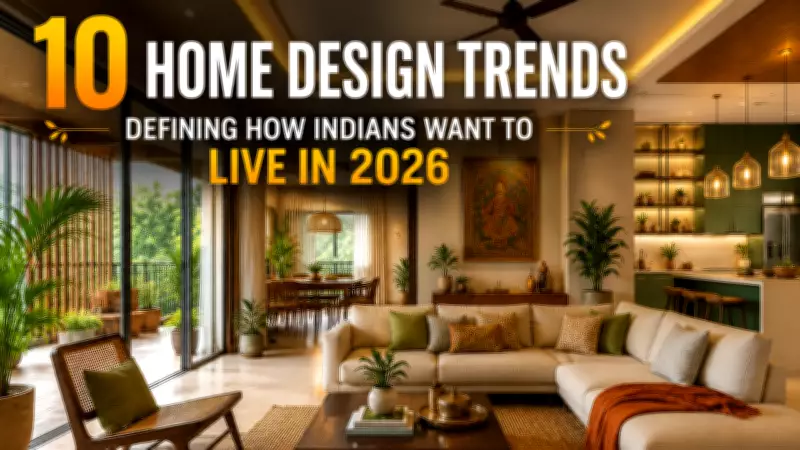
There is a quiet revolution taking place in Indian homes. Homeowners are increasingly attentive to how their living spaces are designed and function. According to Kunwar Gaurav Giri, Chairperson of Annapurna Hostels, the approach to building homes has completely transformed. In 2026, the emphasis is on sustainability, comfort, and wellness, moving away from purely aesthetic considerations.
Key Home Design Trends for 2026
Sustainable Standard of Living
Builders and homeowners are prioritizing eco-friendly materials. Solar panels, recyclable items, and bamboo are in high demand, reflecting a shift towards environmental consciousness.
Advanced Technology
Smart lighting, innovative home safety measures, and environmental monitoring systems are becoming standard features in modern Indian homes.

Comfortable Residential Space
With hybrid work remaining popular, homes are designed to accommodate both work and personal life seamlessly, creating functional and comfortable environments.
Nature Setup
Indoor plants on study tables or balconies are popular for their positive vibes. Homeowners also ensure areas are left untouched to allow maximum sunlight, creating refreshing spaces.
Minimalistic Interior
Textured wall designs, soft color tones, and multi-functional furniture are favored for their simplicity and practicality.
Perfect Color Combination
Natural and calm colors like warm browns, shades of green, and beige are preferred to make homes look vibrant yet soothing.
Health and Wellness
Homes in 2026 incorporate wellness features such as proper ventilation, relaxation areas, air purifiers, and ample sunlight.
Layout Plan
Home layouts are planned around furniture suitability, with multi-functional pieces like storage beds to optimize space.
Lighting Setup
Lighting has become a decorative feature. LED lights, decorative fixtures, and fairy lights in bedrooms enhance the overall aesthetic.
Handmade Work
Local artisans' handmade products are used to add uniqueness and character to homes, supporting traditional crafts.
This shift is driven by increased homeownership and a post-pandemic appreciation for indoor spaces. Indian homes are becoming intentional, personalized sanctuaries, a trend that is set to grow further.