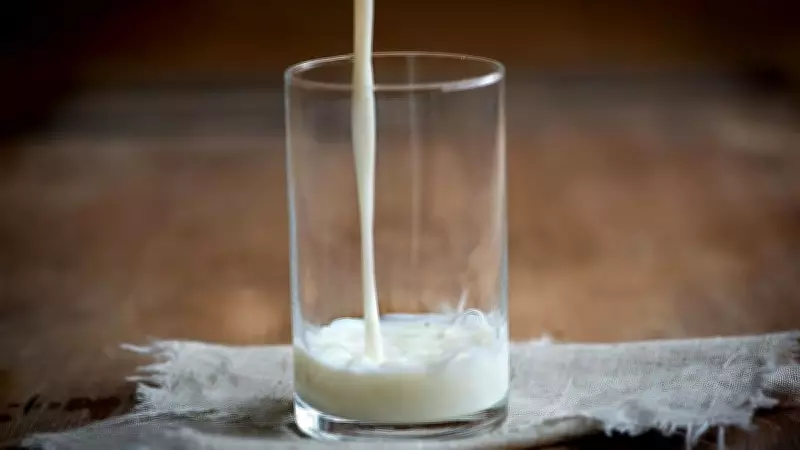
Milk occupies a paradoxical position in the Indian diet. While it is a staple in the largely vegetarian households of the country, with 93% of rural and 95% of urban families consuming it daily, health experts are increasingly questioning its universal benefits. According to recent data, per capita milk availability in India reached approximately 485 grams per day in 2024-2025, significantly surpassing the global average of 328 grams per day.
The Cultural Significance of Milk
In India, milk is not just a food item but a symbol of nourishment and purity. It is used in religious rituals, daily meals, and traditional medicine. The high consumption levels are driven by cultural norms, aggressive marketing by dairy companies, and government policies promoting milk production. However, this reliance on milk comes with a health paradox.
Health Concerns on the Rise
Despite its nutritional benefits, including calcium, protein, and vitamins, milk consumption is linked to several health issues. Lactose intolerance affects a significant portion of the Indian population, with estimates ranging from 20% to 60% depending on the region. Symptoms like bloating, diarrhea, and stomach cramps are common among those who cannot digest lactose properly. Additionally, the high saturated fat content in full-fat milk is associated with cardiovascular diseases, obesity, and type 2 diabetes.

Environmental and Economic Implications
The dairy industry also poses environmental challenges. Livestock farming contributes to greenhouse gas emissions, water scarcity, and land degradation. The economic burden of milk production, including subsidies and resource allocation, raises questions about sustainability. As India's milk consumption grows, so does the strain on natural resources.
Reevaluating Dietary Guidelines
Nutritionists and health organizations recommend a balanced approach. For those with lactose intolerance, alternatives like yogurt, buttermilk, or plant-based milks (soy, almond, oat) can provide similar nutrients. Moderation is key: limiting intake to one to two servings per day for adults and choosing low-fat options can mitigate health risks. The Indian Council of Medical Research (ICMR) suggests that while milk is beneficial, it should not dominate the diet at the expense of other food groups.
In conclusion, India's milk consumption paradox highlights the need for personalized nutrition and sustainable practices. As awareness grows, consumers and policymakers must balance tradition with modern health and environmental realities.