

Odisha's Manikapatna Curd Aims for Geographical Indication Recognition
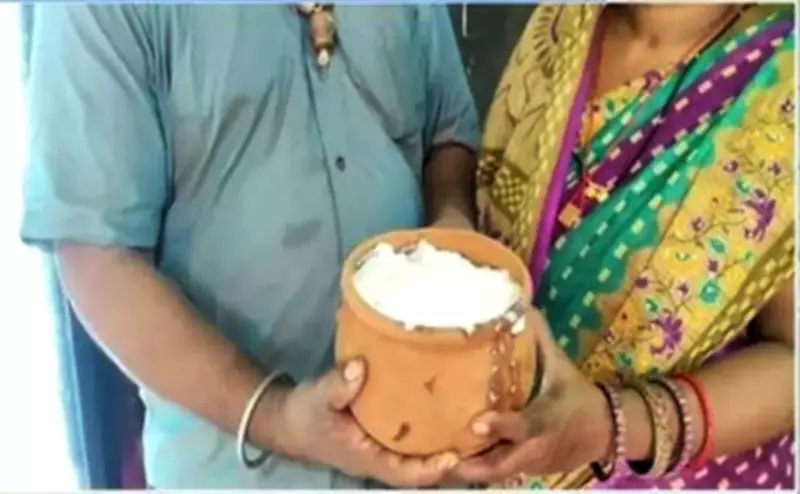
The Odisha University of Agriculture and Technology (OUAT) has formally submitted a Geographical Indication (GI) application for the renowned Manikapatna curd from Puri district. This initiative seeks to legally protect the unique traditional preparation method that involves organic bamboo baskets, a practice that imparts the curd with its distinctive texture and exceptional flavor profile.
Documentation of Traditional Producers and Methodology
OUAT authorities have conducted extensive groundwork, documenting more than 200 traditional producers before filing the comprehensive application. The GI tag, once granted, will provide robust legal protection to the product's name and its unique methodology. This protection is crucial for preventing imitation and significantly enhancing the curd's market value and authenticity.
Dayanidhi Mishra, an OUAT scientist overseeing the process, elaborated on the curd's origins. "The curd is intrinsically linked to the rare Chilika breed of buffalo, which received protection from the ICAR-National Bureau of Animal Genetic Resources under the Government of India in 2012. These buffaloes graze exclusively on natural grass and aquatic weeds surrounding the Chilika lake, producing milk renowned for its high nutritional richness," Mishra explained.

The Unique Bamboo Basket Preparation Technique
Manikapatna curd is prepared using a wholly organic and traditional technique that has been preserved for generations. Fresh milk is carefully set in specially crafted bamboo baskets, where the curd solids adhere to the porous surface. The basket is then left to dry naturally for approximately 24 hours before the fermentation process commences, resulting in a remarkably thick curd with a unique flavor and consistent texture.
Notably, the curd is traditionally sold along with the very bamboo basket in which it is prepared, adding to its artisanal appeal and authenticity.
Cultural and Historical Significance
The delicacy carries profound cultural and historical significance within Odisha's heritage. Its origin is deeply intertwined with the legendary Kanchi Abhijan, associated with the sacred traditions of the Shree Jagannath Temple. According to local lore, a milkmaid named Manika Gauduni is believed to have offered this special curd to Lord Jagannath and Lord Balabhadra, cementing its spiritual and cultural importance.
Confidence in GI Accreditation and Preservation Goals
Pravat Kumar Roul, Vice-Chancellor of OUAT, expressed strong confidence in the application's success. "Our team worked diligently for nearly seven months on thorough documentation, identifying over 200 producers and compiling historical proof of origin. We have also created a dedicated logo for the tag. The application has been submitted with all formalities, and we are optimistic about receiving accreditation," Roul stated.
He emphasized that the GI recognition would play a pivotal role in preserving this traditional product for future generations. "All historical data and technical details have been meticulously compiled. The GI tag will safeguard the authenticity of Manikapatna curd and provide substantial benefits to local producers, ensuring their livelihoods and cultural practices are protected," Roul added.
Currently, Odisha holds an impressive 27 GI tags, a testament to the state's rich cultural and agricultural legacy and the exceptional skilled craftsmanship of its people. The addition of Manikapatna curd would further enrich this portfolio, highlighting another unique culinary treasure from the region.






