

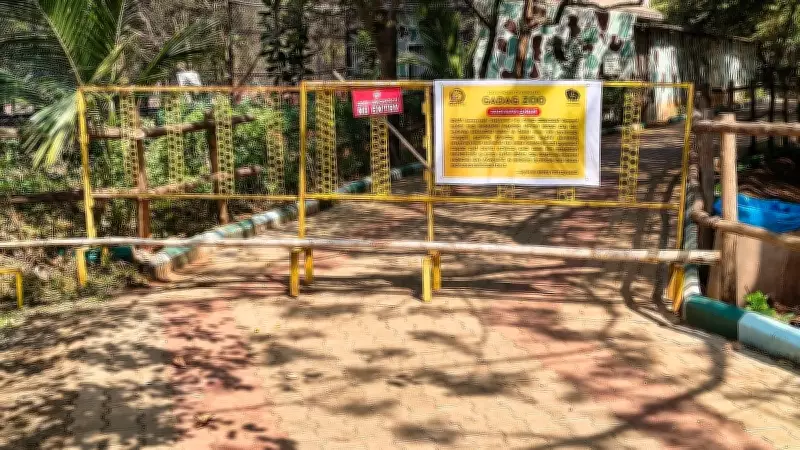
Nilgai Dies of Bacterial Infection at Gadag Zoo in Karnataka
A nilgai, commonly known as a blue bull, has died at the Gadag Zoo in Karnataka due to a bacterial infection. The incident has drawn attention to the health and welfare of animals in the zoo, prompting discussions among wildlife authorities and conservationists.
Details of the Incident
The nilgai, a large antelope native to the Indian subcontinent, was found to be suffering from a severe bacterial infection. Zoo officials reported that despite immediate medical intervention, the animal could not be saved and succumbed to the illness. The exact type of bacteria involved has not been disclosed, but such infections can be common in captive environments if not managed properly.
This event highlights the challenges faced by zoos in maintaining the health of their inhabitants, especially in regions with fluctuating climatic conditions that can exacerbate disease risks.

Response from Zoo Authorities
Authorities at the Gadag Zoo have stated that they are conducting a thorough investigation into the cause of the infection. Measures are being taken to prevent similar occurrences in the future, including enhanced sanitation protocols and regular health check-ups for all animals.
Veterinary experts emphasize the importance of proactive health monitoring in zoos to detect and treat infections early. They recommend that zoos implement strict biosecurity measures to minimize the risk of disease outbreaks among captive wildlife.
Broader Implications for Wildlife Conservation
The death of the nilgai raises questions about the overall management of zoos in India and their role in wildlife conservation. While zoos aim to educate the public and protect endangered species, incidents like this underscore the need for improved infrastructure and veterinary care.
Conservationists argue that such events should serve as a wake-up call for better funding and training in zoo management across the country. Ensuring the well-being of animals in captivity is crucial not only for their survival but also for the success of breeding programs aimed at species preservation.
In conclusion, the loss of the nilgai at Gadag Zoo is a somber reminder of the vulnerabilities faced by animals in human care. It calls for renewed efforts in animal health management and conservation practices to safeguard India's rich biodiversity.






